

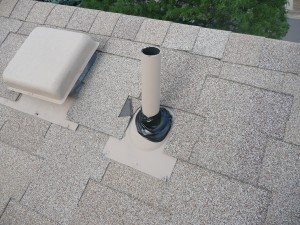
Denver Roofing Inspections Are Failing Over Painted Pipe Jack Boots
Roofing contractors in Denver need to pay close attention to a growing inspection issue that is resulting in failed inspections, corrective work, and unnecessary labor costs.
The Colorado Roofing Association (CRA) Building Code & Standards Committee recently communicated and confirmed with the City and County of Denver that painting the neoprene or EPDM portion of pipe jack flashings is considered an improper installation.
If your crews, painters, or subcontractors are spraying or painting over pipe jack boots, this needs to stop immediately.
Why Denver Inspectors Are Flagging Painted Pipe Jack Boots
Although many contractors may not realize it, manufacturer installation instructions are considered part of the adopted building code.
That means even if a requirement is not specifically written into Denver’s publicly posted code language, inspectors can still enforce it when manufacturer instructions prohibit a particular installation method.
According to the CRA Building Code & Standards Committee, painted pipe jack boots are now actively being identified during inspections within the City and County of Denver.
These issues are resulting in:
- Failed inspections
- Required corrective work
- Additional labor costs
- Project delays
- Avoidable callbacks
For roofing companies running high production volume, these failures can quickly become expensive operational problems.
Why Painting EPDM and Neoprene Pipe Jack Boots Is a Problem
Most pipe jack flashings use neoprene or EPDM elastomeric collars. These materials are designed to remain flexible and weather resistant over time.
However, many paint products, including acrylic and synthetic latex coatings, may contain petroleum based components that can accelerate deterioration of the rubber collar material.
Once degradation begins, the flashing can prematurely crack, dry out, or fail, increasing the risk of leaks around roof penetrations.
Manufacturer guidance is very clear on this issue.
For example, IPS Roofing Products states:
“Do not use petroleum-based mastics, sealing compounds, or paints on the collar portion of all flashings, including hard-base, flexible, or rain collars. Do not use paint on elastomer collars.”
This warning exists because the long term performance of the flashing can be compromised when exposed to incompatible coatings or chemicals.
Why Manufacturer Instructions Matter in Denver Roofing Inspections
Many contractors assume that if something is not explicitly listed in municipal code language, it is acceptable.
That is not how roofing inspections work.
Building departments routinely enforce manufacturer installation instructions because those instructions are incorporated into adopted building code requirements. This applies to roofing systems, underlayments, flashings, ventilation products, fasteners, and countless other construction materials.
This is also why many jurisdictions require installation instructions to either:
- Be submitted with permit documentation
- Be available on-site during inspection
If the manufacturer prohibits a practice, inspectors can fail the installation even if the exact wording does not appear directly on the city website.
How Roofing Contractors Can Prevent Failed Inspections
Roofing companies should update their procedures immediately to avoid inspection failures and callbacks.
Recommended Preventative Measures
Use Pre-Painted Pipe Jack Flashings
Using factory finished or pre-painted pipe jacks eliminates the temptation to spray exposed collars during painting operations.
Cover Pipe Jack Boots Before Spraying
If crews are painting nearby components, pipe jack boots should be masked or covered before coatings are applied.
Use Temporary Protective Covers
Some contractors are providing temporary or spare boots that can be placed over new flashings during coating operations and removed afterward.
Train Crews and Subcontractors
This issue needs to be clearly communicated to:
- Roofing crews
- Paint crews
- Subcontractors
- Production managers
- Quality control personnel
Update SOPs and Inspection Checklists
Roofing companies should immediately revise:
- Standard operating procedures
- Crew training documents
- Final quality control checklists
- Internal inspection processes
The Bigger Issue for Roofing Contractors
This is more than just a minor inspection technicality.
Small installation details often become major operational problems when crews are not aligned with manufacturer specifications. Failed inspections create production slowdowns, additional labor costs, scheduling conflicts, and customer frustration.
In competitive roofing markets like Denver, operational consistency matters.
Roofing contractors that stay proactive with manufacturer requirements and inspection trends are far less likely to deal with expensive callbacks and avoidable project delays.
At Excel Roofing, staying current with evolving roofing standards, manufacturer requirements, and inspection practices is a major part of maintaining quality control across residential and commercial roofing projects throughout the Denver metro area.
Article Sources
- Colorado Roofing Association (CRA) Building Code & Standards Committee
- City and County of Denver inspection enforcement guidance
- IPS Roofing Products installation instructions