
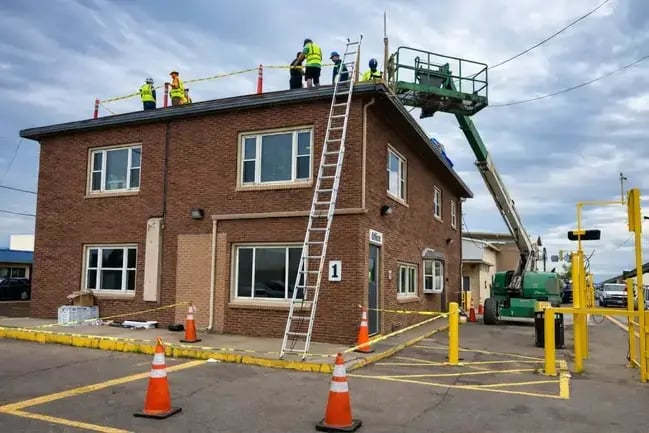
Since 1993, we've completed more than 55,000 jobs, and a substantial share have been commercial work on restaurants, industrial facilities, office buildings, and multifamily HOA communities. When you own or manage a commercial property, the roof is rarely your main concern until the day it becomes the only one. My job is to make sure replacing it doesn't shut down your operation, push your tenants out, or leave you with a second roofing project a year later.
This post walks through how we approach commercial roofing, how we choose materials for different building types.
The right material for the building you actually own
Commercial roofing is not one product, and the right material depends on what's happening inside the building.
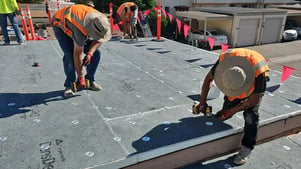
For restaurants, we recommend PVC. It stands up to grease drift from kitchen exhaust, regular foot traffic for service work, and the thermal cycling that comes with cooking operations. For industrial buildings, white TPO is usually the answer. It reflects sunlight, reduces cooling load through the summer, and provides long service life over large flat spans. In the mountains, we install black EPDM rubber so the roof absorbs heat through long, cold winters and helps move snow load off the structure.
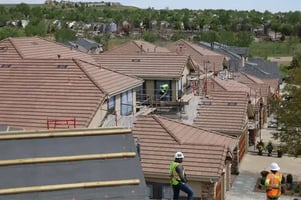
When a flat roof sits below windows or balconies and is visible from above, we'll often spec a self-adhering modified bitumen with granules that match adjacent asphalt shingles, so the rooftop view looks intentional rather than industrial.
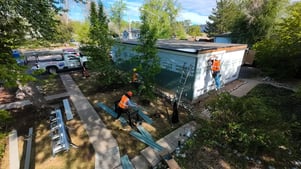
On the steep slope side, we install asphalt shingles, concrete tile, standing seam metal, and synthetic composites. We're certified by multiple manufacturers, which lets us offer both our Excel workmanship warranty and a manufacturer NDL extended warranty when your project requires it.

A commercial bid that holds up once construction starts
A bid is only useful if the numbers don't change after we open the roof. We cut core samples on every commercial job to confirm how many layers of existing roofing are present, because that single piece of information drives tear-off cost, deck condition expectations, and code compliance. If your roof has ponding water, we design a tapered insulation system to correct the slope rather than leaving the underlying problem in place. We use drone technology with infrared imaging to identify trapped moisture under an existing membrane. That tells us whether a recover is a real option or whether full replacement is the honest answer.
Why Excel Roofing Does Not Install Roof Coatings
One product class we won't install is roof coatings. We've installed plenty of them over the years and watched them fail to deliver what their manufacturers promised. Coatings are expensive, and we believe a building owner is better served putting that money toward a new roof that will last decades than a treatment that buys a few years at best.
Working around your business
Disruption is what most commercial property owners are actually worried about. The roof matters, but operations matter more, and a roofing crew that doesn't plan around your business is going to cost you twice.
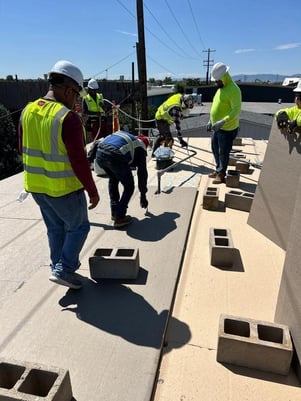
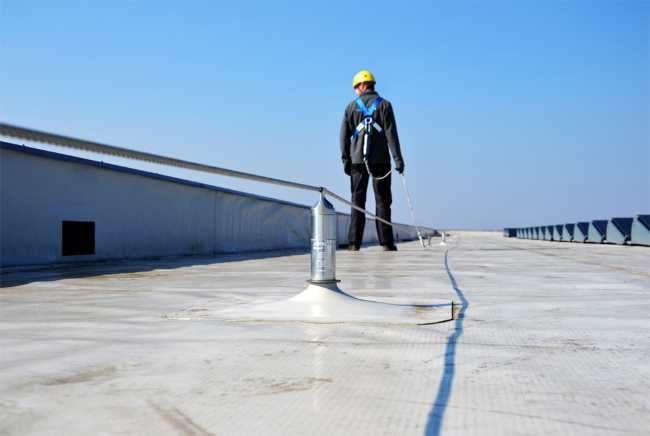
Before we mobilize, we map crane and lift staging away from customer entrances and loading areas. We schedule heavy tear-off for the hours your building is least active. We brief your team and, where it applies, your tenants on what they'll see and hear each day. We commit to weather-tight conditions at the end of every shift, which means no building is ever left open overnight. And we run a single point of contact for the duration of the project, so you're not chasing crews for answers.
Industry Leading Warranties
Two warranties matter on a commercial roof. The workmanship warranty from your contractor, and the manufacturer's extended warranty on the materials. Excel offers our own workmanship warranty on every job we install, and because we're a certified applicator with the major commercial manufacturers, we can secure the manufacturer NDL (no dollar limit) extended warranty on systems that qualify. The NDL is the warranty you want, because it places no dollar cap on the manufacturer's obligation to make repairs.
Owens Corning:
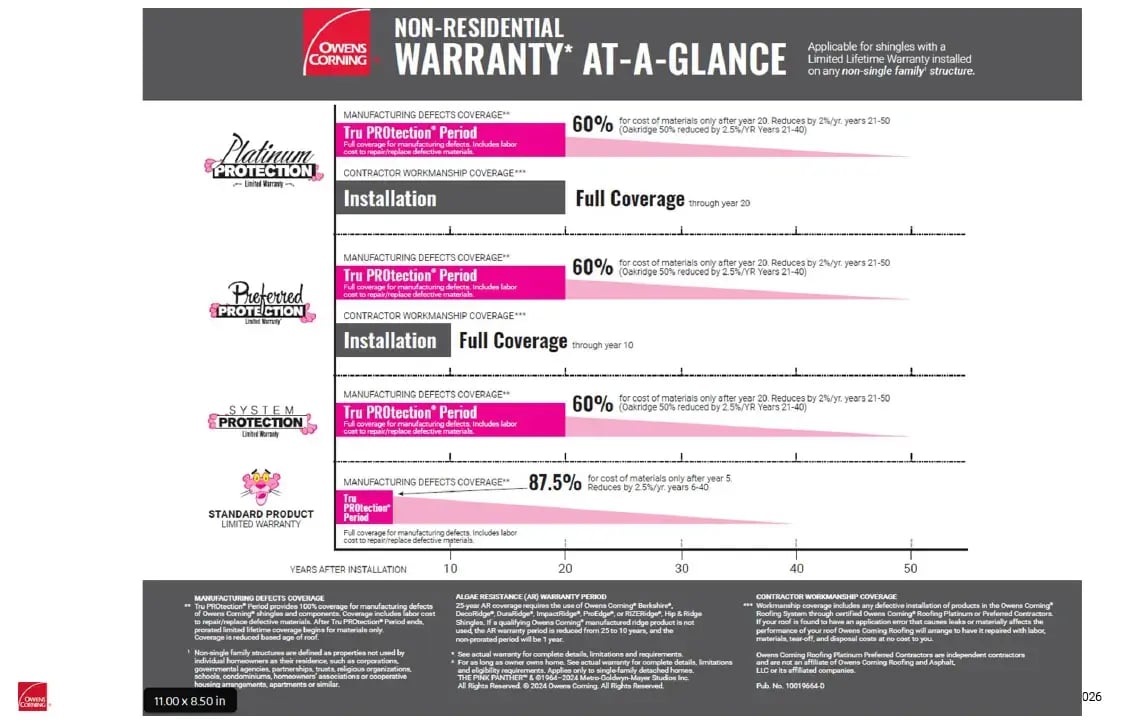
On steep-slope commercial roofs (asphalt shingle, tile, metal, or composite systems), we install the complete Owens Corning system. As an Owens Corning Platinum Preferred Contractor, we can secure the Platinum Protection Limited Warranty, the top tier Owens Corning offers, on qualifying projects.
Owens Corning (steep-slope systems):
- 20-Year TruPROtection®: Full coverage for materials, labor, tear-off, and disposal during the first 20 years.
- Lifetime Material Coverage: After year 20, material coverage continues at a prorated level (60%) for as long as you own the building, with no termination date (Oakridge shingles follow a reduced schedule, dropping to 50% after year 20 and ending at year 40).
- 20-Year Workmanship: Covers installation errors for 20 years. Excel covers the first 2 years, and Owens Corning backs the remainder.
- System Coverage: Requires the complete qualifying Owens Corning® Roofing System, four components including OC Underlayment and an OC Hip & Ridge, not just the shingles.
- Transferability: Can be transferred one time to a new owner, enhancing resale value.
GenFlex:
GenFlex No Dollar Limit (NDL) Full System Warranty covers both GenFlex-supplied materials and the labor required to repair leaks caused by defects in materials or covered workmanship for a period of 5, 10, 15, or 20 years. It is designed to provide comprehensive protection without a maximum cap on repair costs. [1, 2]GenFlex NDL warranty coverage generally includes the following:Covered Components (GenFlex Brand Only)
- Roofing Membranes: TPO, EPDM, and Asphalt systems.
- Insulation & Cover Boards:.
- Accessories: GenFlex brand roofing metal, fasteners, tapes, and strips used for waterproofing seams and penetrations. [1, 2, 3]
If you are interested in our other industry-leading warranty option, please call us.
Schedule your commercial bid
Scheduling is straightforward. Give us a call at (303) 761-6400, or use the calendar on our website to pick a date and time that works for you. If you'd prefer a written bid by email, please contact us and we will be on top of it!
Topics: