

Five Points Hail Damage and 2026 Roof Replacement Costs
On June 1, 2026, a powerful storm rolled across the Denver metro and hammered central Denver, including the Five Points neighborhood just northeast of downtown. The hail here was significant: golf ball size and bigger. Cars were left dented, and trees came down across the neighborhood. If you own a home in Five Points, there is a good chance your roof took a beating too.
You do not need to get on the roof to see the warning signs. Dented vehicles, downed branches, and shredded leaves on the ground all point to hail large enough to bruise and crack asphalt shingles. Dinged gutters, downspouts, and pockmarks on fences or AC unit fins are more clues that your shingles caught the same impacts.
If your roof needs to be replaced, the next question is almost always about cost. Here is what a new roof runs in 2026, broken down by material, plus what makes a Five Points job a little different and how insurance fits in.

Roofing Prices by Material
One of the first questions homeowners ask when facing a new roof is:
"How much will it cost to replace my roof?"
The answer depends largely on the roofing material you choose, the size of your home, and the complexity of the roof. Across the United States in 2026, most homeowners spend between $10,000 and $30,000 to replace a roof. Premium roofing systems can exceed $50,000 depending on materials and installation complexity.
The largest factor is the roofing material itself. Here are the five most common roofing systems used on homes today:
- Asphalt shingles
- Concrete tile
- Synthetic tile
- Stone-coated steel
- Standing seam metal
Average Roof Replacement Cost in 2026
Most roofing contractors price roofs by the square foot installed. A standard residential roof is typically 1,800 to 2,500 square feet. Many Five Points homes are smaller older bungalows, row homes, and Victorians, which is why a number of them land at the lower end of the range. Here is a simplified comparison of average roofing costs in 2026:
| Roofing Material | Cost Per Sq Ft Installed | Typical Roof Cost |
|---|---|---|
| Asphalt Shingles | $4 to $10 | $8k to $18k |
| Synthetic Tile | $8 to $15 | $16k to $30k |
| Stone-Coated Steel | $10 to $18 | $20k to $36k |
| Concrete Tile | $10 to $27 | $21k to $55k |
| Standing Seam Metal | $12 to $30 | $24k to $60k |
The difference between materials can easily exceed $40,000 depending on roof size and installation complexity.
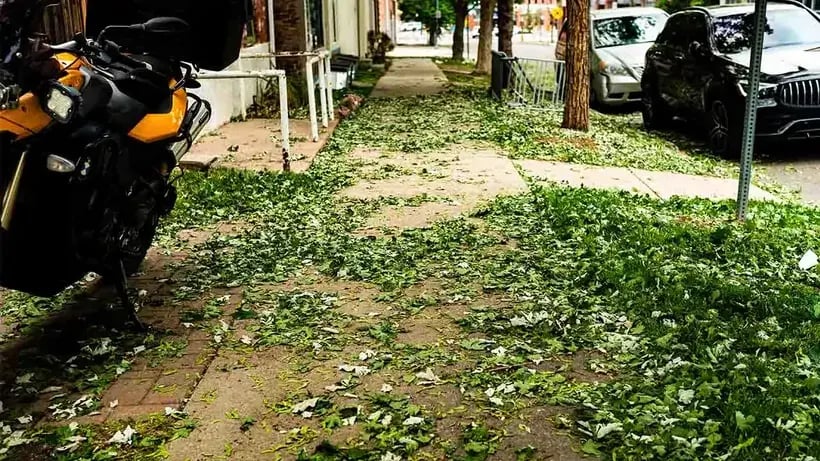
5 Points sidewalk littered with downed leaves from the hailstorm, good indicator a roof will be damamged
Asphalt Shingle Roof Cost in 2026
Asphalt shingles remain the most widely used roofing material in North America because they provide the lowest upfront cost. They are also what sits on most Five Points roofs today.
Average Cost
- $4 to $10 per square foot installed
- $8,000 to $18,000 for most homes
There are three main asphalt roofing types:
| Asphalt Type | Typical Installed Cost |
|---|---|
| 3-Tab Shingles | $4 to $6 per sq ft |
| Architectural Shingles | $6 to $12 per sq ft |
| Luxury Shingles | $10 to $16 per sq ft |
Most homeowners today install architectural shingles, which offer better durability and appearance than older 3-tab products. Because many Five Points homes are smaller, asphalt replacements here often land in the $12,000 to $15,000 range, with larger homes running higher.
Lifespan
15 to 30 years depending on weather exposure and installation quality.
Concrete Tile Roof Cost in 2026
Concrete tile roofing is a premium system known for durability and architectural appearance.
Average Cost
- $10 to $27 per square foot installed
- $21,000 to $55,000 for most homes
Tile roofs cost more because installation requires specialized labor, reinforced roof structures, and more installation time.
Lifespan
Concrete tile roofs commonly last 50 years or longer, which makes them popular in areas with intense sun exposure or severe weather.
Synthetic Tile Roof Cost in 2026
Synthetic roofing has grown popular over the past decade. These systems are manufactured from advanced polymer composites designed to replicate slate, shake, or tile.
Average Cost
- $8 to $15 per square foot installed
- $16,000 to $30,000 for most homes
Why homeowners choose synthetic roofs
- Lighter than traditional tile
- Easier installation
- Impact-resistant materials
- Realistic architectural appearance
Lifespan
Many synthetic systems are rated for 40 to 50 years of performance.
Stone-Coated Steel Roof Cost in 2026
Stone-coated steel roofs combine metal durability with the appearance of traditional roofing materials. The steel panels are coated with stone granules to mimic tile, shake, or architectural shingles.
Average Cost
- $10 to $18 per square foot installed
- $20,000 to $36,000 for most homes
Lifespan
Stone-coated steel roofs typically last 40 to 70 years. They are especially popular in areas with hail or high winds because the steel panels provide excellent impact resistance.
Standing Seam Metal Roof Cost in 2026
Standing seam metal roofing is one of the most durable residential roofing systems available today. Instead of overlapping shingles, it uses long metal panels that lock together with raised seams.
Average Cost
- $12 to $30 per square foot installed
- $24,000 to $60,000 for most homes
Lifespan
Standing seam metal roofs commonly last 50 to 70 years or longer with minimal maintenance.
Choosing the Right Roofing Material
When evaluating roof cost, think beyond the upfront installation price. An asphalt roof may last 20 years, while metal or tile may last 50 or more. Over a long enough period, replacing asphalt roofs multiple times can sometimes cost as much as installing a premium system once. The right roofing system ultimately depends on your budget, how long you plan to stay in your home, and the performance you want from your roof. For a full breakdown by material, lifespan, and value over time, read our complete guide: How Much Does A New Roof Cost in 2026 (https://www.excelroofing.com/blog/how-much-does-a-new-roof-cost-in-2026).
Why Roofing in Five Points Comes With Extra Challenges
Material is only part of the cost story. Where your home sits affects how a crew can actually do the work, and Five Points, as one of Denver's oldest and most tightly built neighborhoods, comes with a few wrinkles that move the price.
- Loading access. When a roof loading machine can reach the house, material goes up quickly. When it cannot, the crew loads shingles by hand, which adds time and labor to the job.
- Homes close together. Tightly spaced homes limit where equipment can be staged and require extra care so the work does not affect the house next door.
- Power line clearance. Boom trucks have to stay clear of overhead power lines, since electricity can arc from a line to a metal boom even without direct contact.
- Street parking. Open parking is scarce on many Five Points blocks, so staging a crew, a dumpster, and a material delivery takes planning and coordination.
- Roof steepness and complexity. A steeper or more complex roof is slower and more labor-intensive to work on safely, which raises the cost compared to a simple, walkable roof.
None of this should scare you off. It simply means experience and planning matter more here than on a wide-open suburban lot.
Will Insurance Cover Your Hail Damage?
If you have an asphalt shingle roof in Five Points, the answer in most cases is yes, your hail damage is covered. The bigger question is how much your policy will actually pay, and that comes down to whether you carry replacement cost value or actual cash value coverage.
Replacement cost value (RCV) means the insurer pays what it costs to replace the roof with a new one of like kind and quality. After you meet your deductible, RCV coverage is designed to put a full new roof back on your home.
Actual cash value (ACV) works differently. The insurer subtracts depreciation based on the age and remaining life of your existing roof, so the older the roof, the larger that reduction. On a heavily depreciated older roof, the payout can come in well below full replacement cost. As an example, a $20,000 replacement on an older roof might pay out closer to $10,000 once depreciation is applied, leaving you to cover the difference. The exact reduction depends on your roof's age and condition, not a fixed percentage, and the carrier makes the final call.
Call a Roofer Before You Call Your Insurance Company
Here is a piece of advice that can save you a real headache. If you call your insurance company first and they send an adjuster who decides there is not enough damage to approve a claim, that inquiry can still end up on your claims history even though nothing was paid out. A smarter approach is to have a roofer inspect first and confirm you actually have enough storm damage to justify a claim. If you do, you file with confidence. If you do not, you have not put anything on your record.
Englewood, Colorado-based Excel Roofing offers free inspections for exactly this reason. You can call us or use our easy online scheduler to pick a day and time that works for you, and we will tell you honestly whether filing a claim makes sense.
Why Homeowners Call Excel Roofing
Excel Roofing has served the Front Range since 1993 and has helped more than 55,000 homeowners protect their homes. We are an Owens Corning Platinum Preferred Contractor, a designation held by a small percentage of roofers nationwide. We offer free, no-pressure inspections, charge no money upfront, and have no cancellation fees, so there is no risk in finding out exactly where your roof stands after this storm.
If the June 1 hail hit your neighborhood, give us a call and let us take a look.
You Don't Pay A Cent Until You're Content.
Frequently Asked Questions
How can I tell if hail damaged my roof in Five Points?
Start at ground level. Dented cars, downed branches, shredded leaves, and pockmarks on fences, gutters, or AC fins all point to hail large enough to bruise and crack asphalt shingles. The June 1, 2026 storm dropped golf ball size and larger hail across Five Points, which is more than enough to damage a roof.
What is the difference between RCV and ACV roof coverage?
Replacement cost value (RCV) pays to replace your roof with a new one of like kind and quality after your deductible. Actual cash value (ACV) subtracts depreciation based on the roof's age and condition, so an older roof can see a much smaller payout. On a $20,000 replacement, a heavily depreciated older roof might pay out closer to $10,000, with you covering the rest.
How much does each type of roofing material cost in 2026?
Asphalt shingles run about $4 to $10 per square foot ($8,000 to $18,000 for most homes), synthetic tile $8 to $15 ($16,000 to $30,000), stone-coated steel $10 to $18 ($20,000 to $36,000), concrete tile $10 to $27 ($21,000 to $55,000), and standing seam metal $12 to $30 ($24,000 to $60,000). Smaller Five Points homes often fall at the lower end for asphalt, around $12,000 to $15,000.
Should I call my insurance company or a roofer first?
Call a roofer first. If you file with your insurer before confirming you have real damage and they deny the claim, that inquiry can still appear on your claims history. A free inspection tells you whether you have enough damage to justify a claim before anything goes on your record.
Why is roof replacement more challenging in Five Points?
Five Points is one of Denver's oldest and most tightly built neighborhoods. Homes sit close together, street parking and staging space are limited, loading machines often cannot reach the roof, boom trucks must stay clear of overhead power lines, and steeper or more complex roofs take more time and labor. All of this calls for an experienced local crew.



.webp?width=301&height=339&name=Ent%20Wings%20Credit%20Union%20(1).webp)