

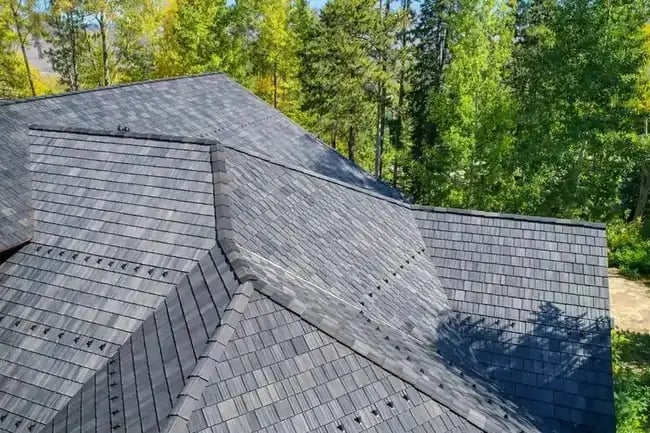
What Is the Most Expensive Part of a Roof?
Many homeowners assume shingles are the only major cost in a roof replacement.
In reality, a roofing system is made up of many different components, and the total cost is usually far more complex than most people expect.
So what is the most expensive part of a roof?
In most cases, the most expensive portion of the project is the roofing material itself, although labor is often very close in cost depending on the type of roof system being installed.
At Excel Roofing, we often explain to homeowners that a roof replacement is much more similar to a full construction project than simply “putting shingles on a house.”
There are dozens of components involved in building a proper roofing system.
Roofing Systems Are Much More Than Just Shingles
When homeowners think about roofing, they usually picture shingles.
However, shingles are only one piece of the roofing system.
A full roof replacement may include:
- Shingles
- Underlayment
- Ice and water shield
- Flashing
- Drip edge
- Pipe jacks
- Ridge cap
- Ventilation systems
- Fasteners
- Sealants
- OSB or plywood decking
- Valleys
- Chimney flashing
- Skylight components
- Specialty metal fabrication
The list can become surprisingly extensive depending on the complexity of the roof.
Material Costs Add Up Quickly
One of the biggest surprises for homeowners is how quickly roofing material costs increase.
Most people initially estimate roofing material costs based only on visible shingles, but the supporting system underneath often adds substantial cost.
For example:
- Flashing systems can become expensive
- Ice and water shield is critical in Colorado climates
- Decking replacement may be required
- Ventilation upgrades can add cost
- Specialty accessories increase material complexity
In construction, there is an old saying:
“It is always more material than you think.”
Roofing is no different.
Labor and Material Costs Are Usually Similar
In many standard asphalt roofing systems, labor and material costs are relatively comparable.
However, material costs often edge higher depending on:
- Roof size
- Roof pitch
- Roof complexity
- Material selection
- Local market conditions
Roofing labor is highly skilled and physically demanding work, but modern roofing materials themselves have also become significantly more expensive over the last several years.
Specialty Roofing Materials Increase Costs Dramatically
The type of roofing material selected has a massive impact on overall project pricing.
Standard asphalt shingles are typically the most affordable option.
However, premium roofing systems such as:
- Stone coated steel
- Standing seam metal
- Slate roofing
- Tile roofing
- Copper roofing
- Specialty metals
can dramatically increase both material and labor costs.
The more specialized the roofing system becomes, the more fabrication and technical installation expertise is required.
Specialty Metal Roofing Becomes More Like Fabrication
When working with high end metal roofing systems, the work often moves beyond traditional roofing and becomes closer to custom metal fabrication.
For example, specialty roofing systems may require:
- Custom bent flashing
- Precision panel fabrication
- Complex trim work
- Hand formed transitions
- Custom soldering
- Specialized fastening systems
This type of work requires:
- More experience
- Specialized tools
- Higher skilled labor
- Slower installation speeds
As a result, both labor and material costs rise substantially.
Why Roof Complexity Matters
Two roofs with the exact same square footage can have dramatically different costs.
Factors that increase roofing costs include:
- Steep roof pitches
- Multiple valleys
- Dormers
- Skylights
- Chimneys
- Complex roof lines
- Limited access
- Multiple roofing layers
- Specialty architectural details
The more complicated the roof system, the more labor hours and custom materials are required.
Decking and Structural Repairs Can Add Significant Cost
Sometimes the most expensive part of a roof replacement is not even visible until the old roof is removed.
If damaged decking or structural problems are discovered, additional repairs may be required such as:
- Replacing OSB or plywood
- Structural framing repairs
- Water damage restoration
- Fascia replacement
- Soffit repairs
These repairs can significantly increase the final project cost depending on the condition of the home.
Why Cheap Roofing Bids Can Be Dangerous
Homeowners should be cautious of roofing estimates that seem dramatically cheaper than others.
In many cases, low bids may involve:
- Inferior materials
- Missing components
- Poor ventilation systems
- Cheap flashing details
- Underpaid labor
- Corner cutting
A roof is a complete system, not just shingles nailed onto a house.
Missing critical components may reduce the lifespan of the roof or create major leak problems later.
Final Thoughts
The most expensive part of a roof is usually the material itself, although labor costs are often very close depending on the roofing system being installed.
As roofing systems become more specialized, especially with metal, tile, slate, or stone coated steel products, both material and labor costs rise significantly due to the complexity and fabrication involved.
At Excel Roofing, we help homeowners understand exactly what goes into a roofing system so they can make informed decisions about materials, performance, longevity, and long term value.
Henry Bretz is the Vice President of Excel Roofing, a second-generation roofing company that has completed tens of thousands of roofing projects across Colorado and Wyoming. He writes about roof replacement, roofing materials, shingle warranties, storm damage claims, and how homeowners can make smarter decisions when investing in a new roof.
