
After more than 35 years in this business, I can tell you the difference between a smooth roof replacement and a frustrating one usually comes down to two things: knowing what’s about to happen at your home, and knowing what to require from your contractor before the first nail comes out.
If you’ve been through a replacement before, you’ll still pick up something new here. If this is your first time, even better. A little preparation goes a long way.
The Short Version of What Happens
A roof replacement is a fast, loud, organized process. Here’s the basic shape of it.
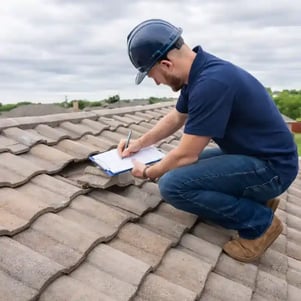
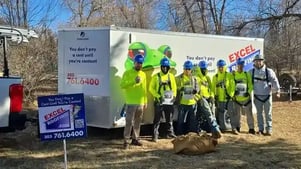
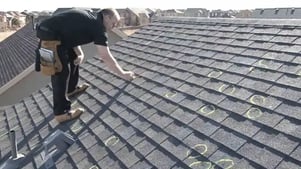
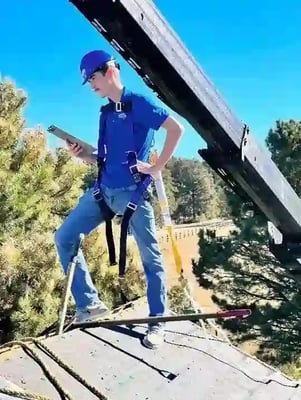
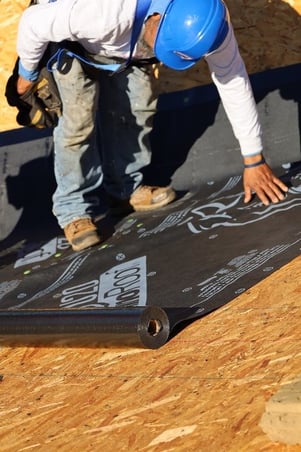
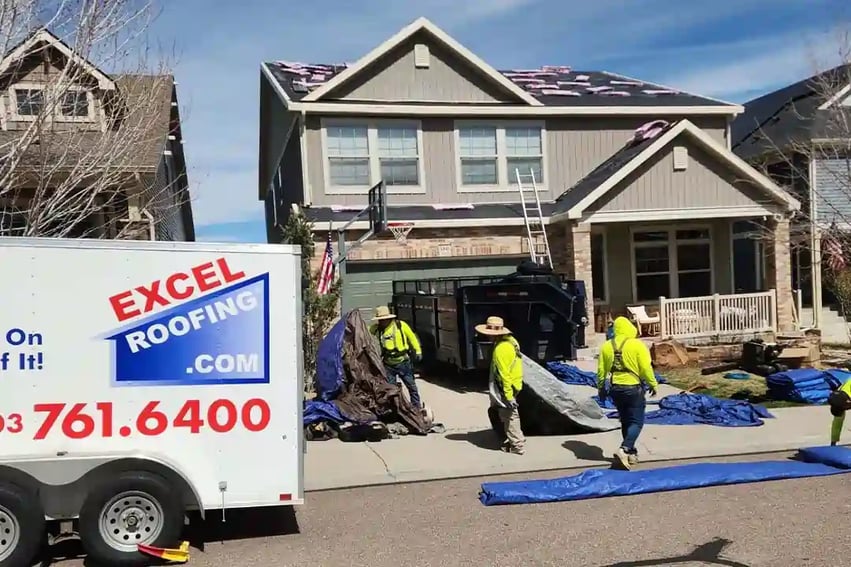
A large conveyor truck pulls up to your driveway and stages the roofing material at your home. A crew tears off the old roof and installs the new one. For a typical Front Range home, this takes a couple of days. Complex roofs, multiple stories, or steep pitches can stretch that timeline a bit longer.
It’s going to be noisy. There’s no way around that. Tear-off in particular sounds like it’s right on top of you, because it is.
Keep Pets and People Away From the Perimeter
The area around the edge of your home is the danger zone during a tear-off. Old shingles, nails, debris, and the occasional tool can come down off the roof. Our crews work hard to manage this, but you should treat the perimeter like a construction site, because that’s exactly what it is.
Keep kids and pets inside or off the property entirely while work is happening. Move vehicles out of the driveway and away from the house. If you’ve got patio furniture, grills, or planters along the foundation, pull them back at least ten feet.
How to Prepare the Inside of Your Home
Tear-off creates vibration. Vibration loosens things you didn’t realize were loose.
Take fragile items off the walls before the crew arrives. Pictures, mirrors, shelves with breakables, anything hanging that could rattle off a hook. This is also a good excuse to clean great grandmother’s antique china while it’s down. We don’t want anything irreplaceable broken because of a vibration nobody anticipated.
Pets can get very stressed during a roof replacement, dogs especially. The pounding directly overhead is hard on them. Doggie daycare for the duration of the job is one of the smartest things you can do. Boarding works too. Cats usually want a quiet interior room with the door closed and their food, water, and litter in there with them.

What to Insist On From Your Contractor
This is where most homeowners leave money and protection on the table. These aren’t nice-to-haves. These are requirements.
Never pay money up front
A reputable contractor has the financial stability to start your job without your deposit. Anyone asking for a large check before a single shingle is delivered is either undercapitalized or planning to disappear. Both are bad news, and both are why a good chunk of the horror stories you hear about roofing contractors start with the words “I gave them a deposit.”
Never sign a contract with cancellation fees
A fair contract protects both parties without trapping you. If something doesn’t feel right about the company, the materials, or the timeline, you should be able to walk away without paying a penalty. Cancellation fees are a red flag that should send you to the next contractor on your list.
Make sure your contractor pulls a permit
Permits exist for a reason. They put a set of eyes on the work that isn’t paid by the contractor. Skipping the permit saves a couple hundred dollars on the front end and can cost you thousands later when you go to sell the home and the unpermitted work comes up in the inspection. On the Front Range, every jurisdiction I know of requires a permit for a full replacement. There is no gray area on this one.
Insist on a porta potty on site
This one surprises people, but it shouldn’t. A roofing crew is at your home for a couple of days. They need a restroom. Without one on site, the alternative is your bathroom or, worse, somewhere on your property that isn’t a bathroom at all. A porta potty shows the contractor respects you, your home, and especially the women who live there. It also keeps the crew on site and productive instead of leaving to find a restroom.
Install a carbon monoxide detector if you don’t already have one
Roof work can occasionally dislodge an exhaust vent pipe in the attic. If a furnace or water heater vent comes loose and CO starts venting into the home instead of outside, you need to know immediately. A working CO detector is twenty bucks and a non-negotiable safety layer during and after the project.
Why This Matters in Colorado Specifically
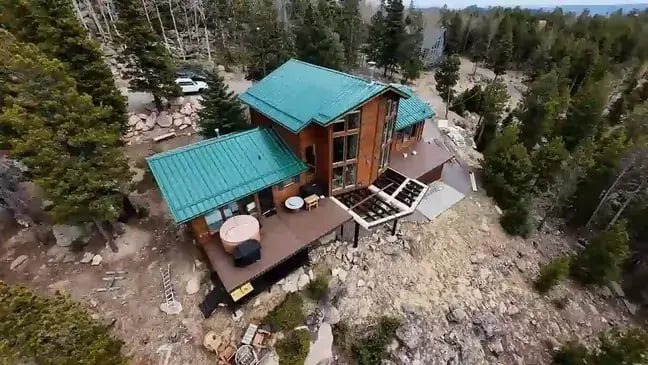
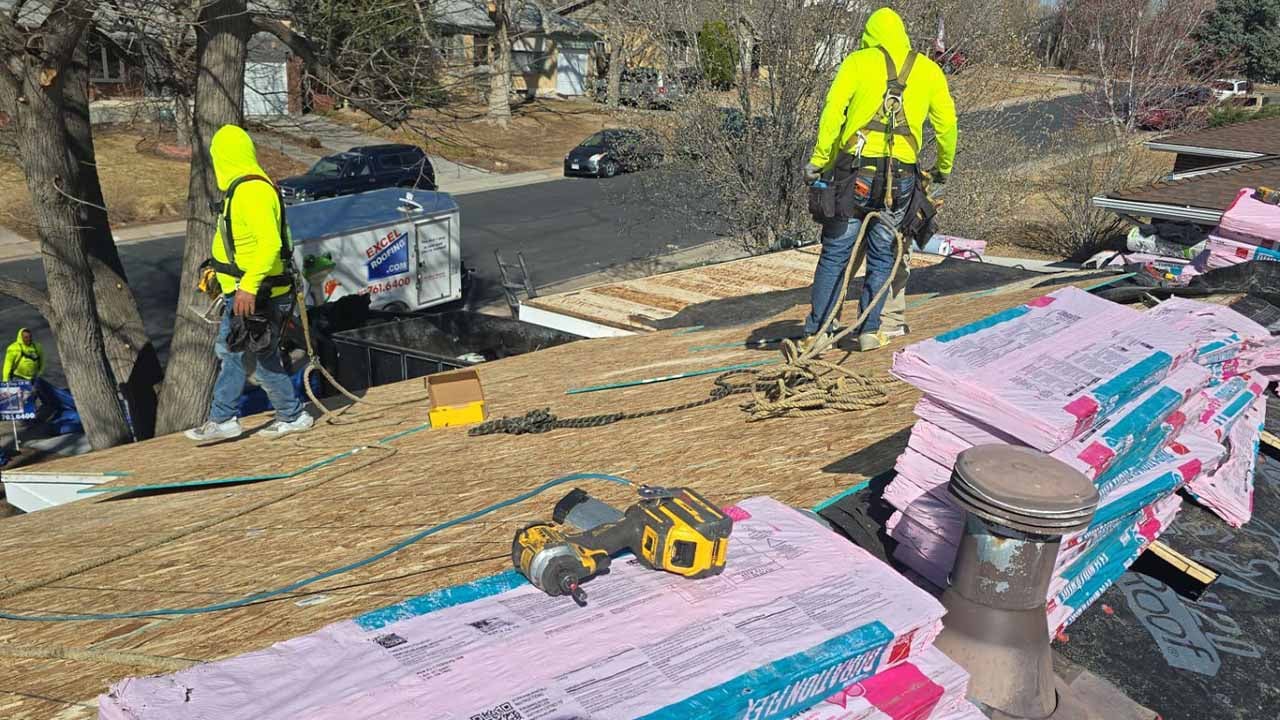
Colorado roofs work harder than roofs almost anywhere else in the country. Hail in the spring and summer, UV at altitude, dramatic temperature swings, ice and snow loads in the winter. A Front Range roof has to be installed correctly the first time, by a crew that respects the work and the homeowner.
Cutting corners on a Colorado roof shows up fast. So does doing it right.
Scheduling Is the Easy Part
When you’re ready, our online scheduler lets you pick the day and time that works best for you and we’ll be there. We pull the permit, stage the materials, bring the porta potty, manage the crew, and leave the property cleaner than we found it.
That’s what to expect from a roof replacement when it’s done right. If you have questions before we get started, take a look through the rest of our learning center or reach out directly. We’re here to help.
Topics: