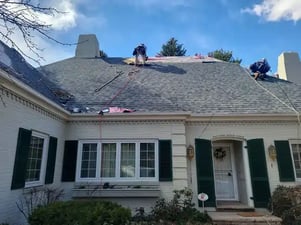
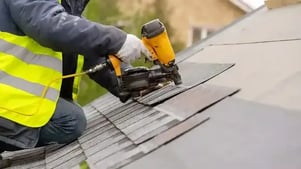
Asphalt shingle roofs are some of the most installed in the US, covering about 70% of American homes. They're affordable, come in colors that match almost any palette and class 4 rated ones, can weather the worst hailstorms. As you drive around town, you can see for yourself how many people have this roof and chances are, yours is too. It’s easy to tell the newly installed asphalt roof from one that’s seen a few too many years.
So you know the benefits, but what about the downsides? What should you consider when you think your roof shingles might not be doing the job anymore?
Let’s talk about the problems with asphalt shingles and why they may not be right for you.
The #1 Problem: Hail Damage
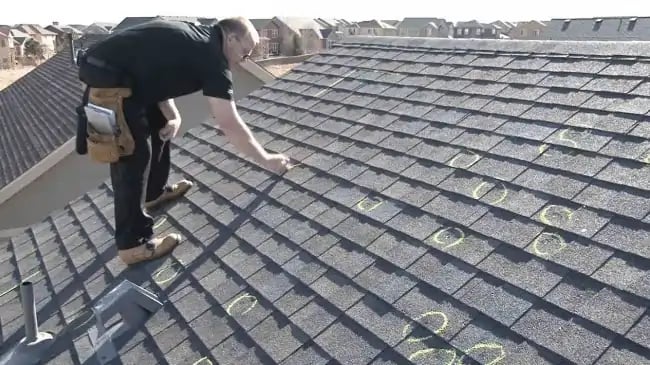
Hail, hail, hail; easily the biggest contributor to damaged roofs. Hail bruises shingles and over time, knocks off ceramic granules, exposing the fiberglass core beneath. When that core is exposed, it's more likely to let water pass through and doesn’t stop snow from sliding off the roof.
Fun fact: Owens Corning is the reason why most asphalt shingles have fiberglass cores. Your roof may not leak immediately after a hailstorm but selling your home with a hail damaged roof can be an unwanted challenge.
You can expect an asphalt shingle roof to last 15 - 30 years but in reality, places that endure strong hailstorms, 5 - 10 years is a realistic expectation. To repair roof leaks, you’re looking at between $1,000 - $1,500 and that can vary based on the number of shingles that need to be replaced.
Manufacturer Defects
Not every shingle is made exactly the same and sometimes, they’re just not made right.
Asphalt shingles are made up of 3 layers: the fiberglass core, then a water proofing layer of asphalt followed by ceramic granules that stop snow from slipping in the winter and offer UV protection in the summer.
The granules stay put because they’re pressed into the asphalt, but sometimes they’re either pressed too hard or not hard enough into the shingle, and they come off in mass. You’ve probably been in Home Depot and seen stacks of roofing shingles with piles of granules around them, just imagine that clogging your gutters.
Some granule loss after installation is normal. But if you’re seeing large amounts years later, it may indicate a manufacturing issue.
Shingles can crack because of thermal expansion from sitting in the sun all day but more often than not, it happens because your attic isn’t vented properly. The warm air in your home rises, moving to the attic, if there isn’t proper ventilation, that warm air has nowhere to go except up, heating the decking of your roof like a stove top, warming the shingles from the bottom. This dries out the shingle making it brittle and prone to cracking.
That’s why an attic without proper ventilation can void warranties and may cause issues with insurance. Take a look at your neighborhood and see how many homes don’t have attic vents, it may surprise you.
Foot Traffic Damage
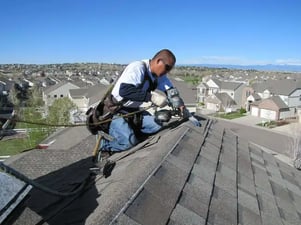
Asphalt becomes more malleable when heated, so in the summer, asphalt shingles are more flexible than usual. That means someone walking on them can scuff off granules and damage the shingle integrity. Solar installers, painters and even window cleaners have done worse damage than a 2” hailstorm. Don’t let an upgrade to your home damage another, no one likes having to do a job twice.
Asphalt shingles are one of the more popular types of roofs, they’re economical, fit almost any aesthetic but you get what you pay for. Damaged shingles can happen because of hail, foot traffic, thermal expansion and sometimes a manufacturer defect.
We hope this was informative and helped you have a better understanding of the problems with asphalt shingle roofs!
When you’re ready to have your yearly roof inspection, we hope you schedule it online with us!
Frequently Asked Questions
What is the biggest problem with asphalt shingle roofs?
Hail damage is the biggest problem with asphalt shingles, as it removes protective granules and exposes the fiberglass core, increasing the risk of leaks and premature failure.
How long do asphalt shingle roofs last in Colorado?
While asphalt shingles are rated for 15 to 30 years, in hail-prone regions like Colorado and Wyoming, their realistic lifespan is often closer to 5 to 10 years due to repeated storm damage.
What causes granule loss on shingles?
Granule loss can be caused by hail impact, manufacturing defects, aging, or foot traffic. When granules are lost, shingles lose UV protection and become more vulnerable to water intrusion.
Can poor attic ventilation damage asphalt shingles?
Yes. Poor attic ventilation traps heat, which can bake shingles from underneath, causing them to dry out, crack, and fail prematurely.
Can walking on a roof damage asphalt shingles?
Yes. Asphalt shingles become softer in warm weather, and foot traffic can dislodge granules or weaken the shingle, leading to long-term damage.
How can you avoid problems with asphalt shingle roofs?
To avoid problems, ensure proper attic ventilation, limit foot traffic, choose high-quality materials, and schedule regular inspections to catch damage early.



.webp?width=301&height=406&name=TDD_EstateGray_beauty_shot%20(1).webp)