
.webp?width=648&height=406&name=TDD_EstateGray_beauty_shot%20(1).webp)
Replacing your roof is one of the largest purchases you will ever make, and if you live in Colorado or Wyoming, you may make it more than once thanks to our hail. So when homeowners ask me what roofing material is best for their home, I give them the same straight talk I would give a friend. The honest answer starts with one question, and it is probably not the one you expect.
I am J Bretz, founder of Excel Roofing in Englewood, Colorado, and I have spent more than 33 years helping people work through this exact decision. Here is how I break it down.
Start With One Question: How Long Will You Stay?
The single most important factor in choosing a roofing material is how long you plan to keep the home. That one answer changes everything else. Right behind it is your budget. Are you looking for the least expensive option that gets the job done, or is a more durable, longer lasting roof within reach?
Once you know your timeline, the right material becomes a lot clearer. Let me walk you through it by how long you plan to stay.
0 to 5 Years: Keep It Simple With Asphalt Shingles
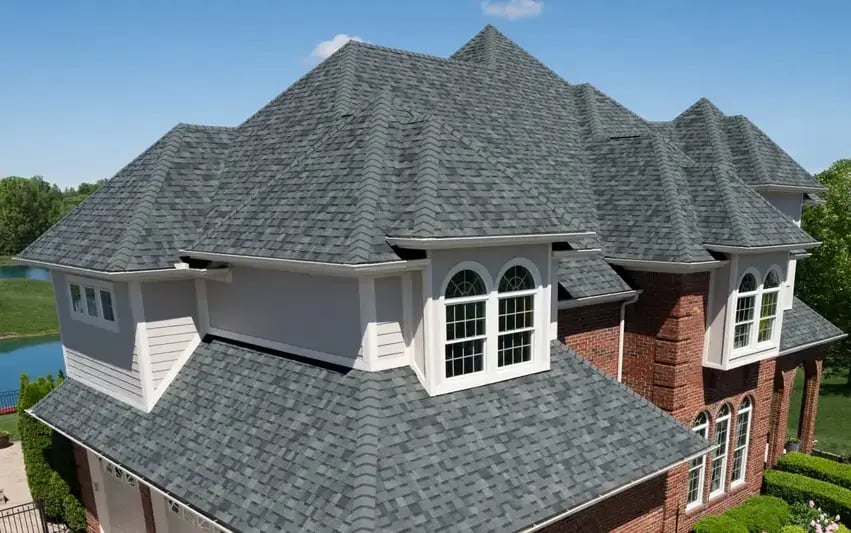
If you plan to move within the next five years, a standard laminated asphalt shingle roof will take care of your needs just fine. Asphalt is the least expensive roofing option we install. It looks great and it protects your home well.
Here is the trade off you should know about. Asphalt shingles are the most vulnerable to hail damage of any material we install, which means they are the most likely to be totaled after a hailstorm. But if you are moving in five years or less, that is a risk many homeowners are comfortable accepting.
Bottom line for short term ownership: asphalt shingles are the smart, cost effective choice.
5 to 10 Years: Think Seriously About Upgrading
Around the five year mark, the math starts to shift, and two things begin working against asphalt.
First, insuring an asphalt roof can become considerably more expensive over a five to ten year span, often enough to offset what it would have cost to upgrade to a more durable roof in the first place. Second, resale becomes a factor. Homes with asphalt shingles more than ten years old can be harder to sell, because many insurance companies are reluctant to insure a roof over a decade old. That creates a headache for the buyer, but it can be an even bigger problem for you as the seller, since you may end up paying for a brand new roof just to close the deal.
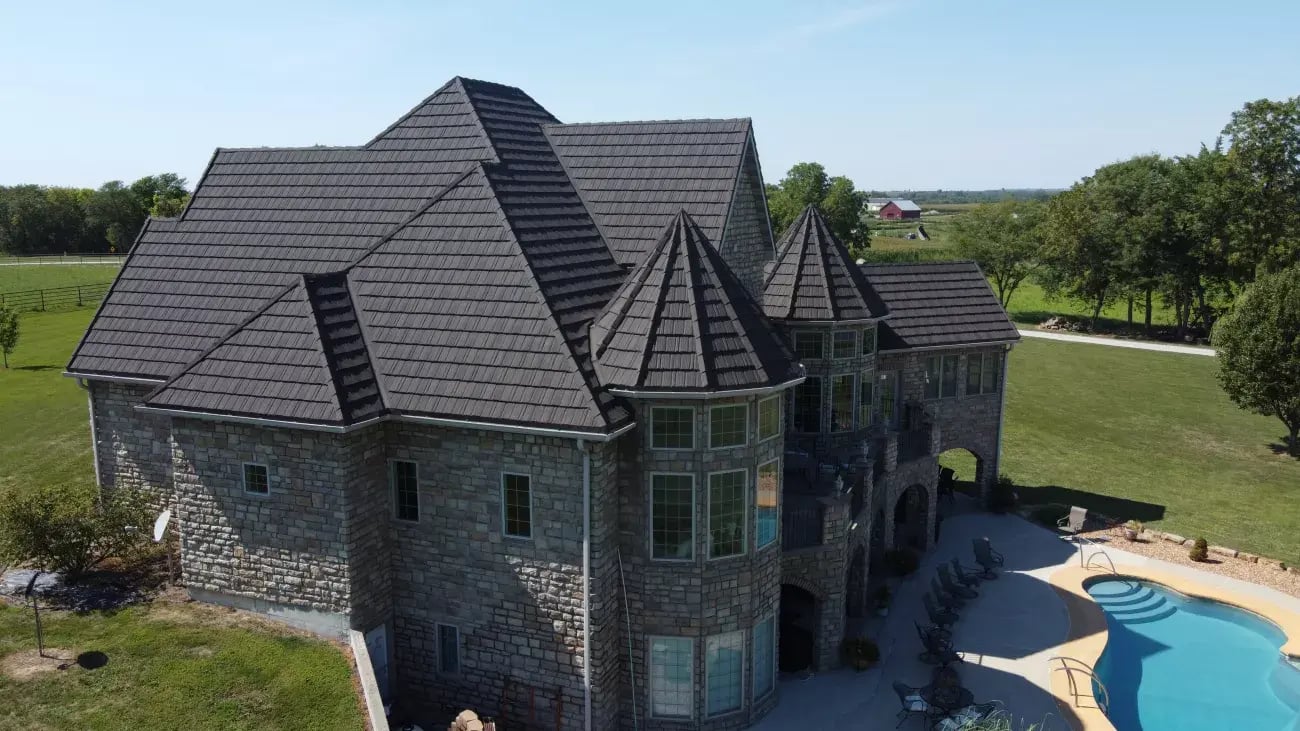
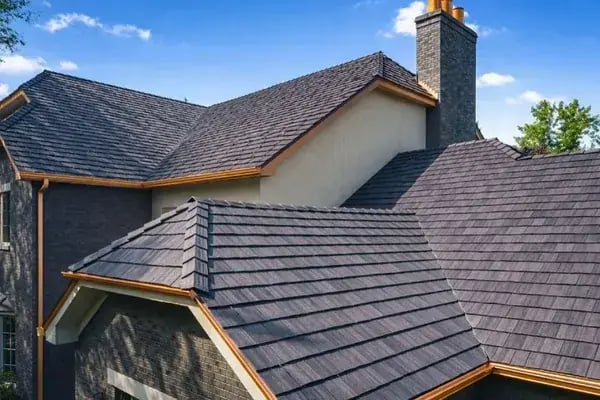
If you are planning to stay five to ten years, I strongly encourage you to consider upgrading to stone-coated steel or concrete tile. The likelihood of one of those roofs being totaled by hail is roughly ten percent of what it is for an asphalt shingle. Your insurance costs are lower over that period, and the premium savings will typically pay back whatever the upgrade cost you. When it comes time to sell, a stone-coated steel or concrete tile roof rarely creates problems with the deal.
Bottom line for five to ten years: strongly consider stone-coated steel or concrete tile.
10 Years or More: Go Premium
If this is your long term home, or what I call a forever home, upgrading to stone-coated steel, concrete tile, or a high quality synthetic is the smart move.
Yes, these roofs can cost two to three times as much as an asphalt shingle. But if you are keeping the home for more than ten years, the numbers almost always work in your favor. Your chances of another hail claim drop dramatically. The cost to insure one of these roofs is significantly lower than an asphalt roof, year after year. And when it eventually comes time to sell, a home with one of these roofs is rarely a barrier to closing.
Bottom line for ten or more years: if you can afford it, upgrade. Stone-coated steel, concrete tile, or synthetic is the right call.
Quick Reference by Timeline
0 to 5 years: standard asphalt shingle.
5 to 10 years: stone-coated steel or concrete tile.
10 or more years, or a forever home: stone-coated steel, concrete tile, or synthetic.
The goal here is not to sell you the most expensive roof. It is to help you understand the full picture so you do not end up spending more on insurance premiums, repairs, or resale complications than you ever saved on the initial install.

Frequently Asked Questions
What is the best roofing material for my home?
It depends most on how long you plan to stay. For 0 to 5 years, asphalt shingles make sense. For 5 to 10 years, stone-coated steel or concrete tile is usually the better value. For 10 years or more, premium materials like stone-coated steel, concrete tile, or synthetic typically come out ahead.
Are asphalt shingles a good choice?
For short term ownership, yes. Asphalt is the least expensive option and protects your home well, but it is the most vulnerable to hail damage and the most likely to be totaled in a storm.
Is stone-coated steel or concrete tile worth the extra cost?
For most homeowners staying five years or longer, yes. These roofs are far less likely to be totaled by hail, and the lower insurance premiums often pay back the cost of upgrading.
Does my roof affect selling my home?
It can. Asphalt roofs more than ten years old can be harder to sell because some insurers are reluctant to cover them. Stone-coated steel, concrete tile, and synthetic roofs rarely create problems at closing.
How much more does a premium roof cost?
A stone-coated steel, concrete tile, or synthetic roof can cost two to three times as much as asphalt. For long term ownership, the savings on insurance and the easier resale usually make up the difference.
Talk to Excel Roofing
Every roof and every situation is a little different. If you have questions, browse the Excel Roofing Learning Center for more articles and videos on the materials and services we offer. When you are ready, give us a call or use our easy online scheduler and we will come take a look at your roof. We're On Top Of It.
Topics:

.webp?width=301&height=406&name=TDD_EstateGray_beauty_shot%20(1).webp)