
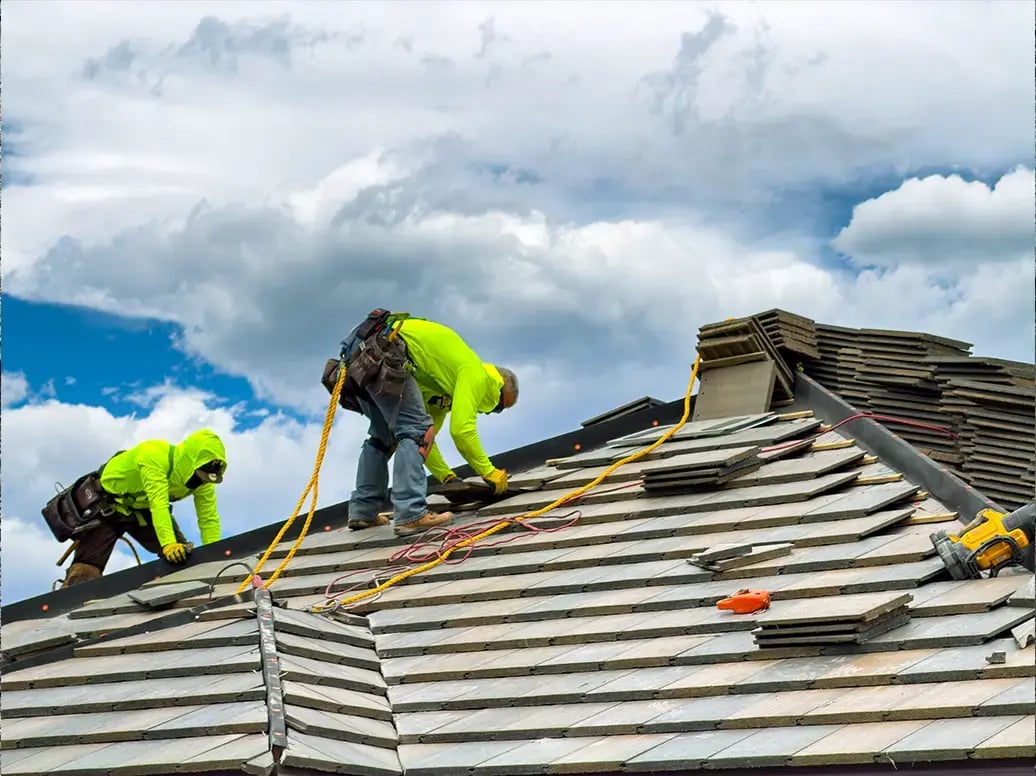
Most homeowners replacing a roof in Colorado are working from a set of assumptions that stopped being true about a decade ago. They expect to pick a shingle color, pay a small deductible, and move on. Insurance carriers have changed how they cover roofs since then, and the material that made sense in 2010 is often the wrong choice today.
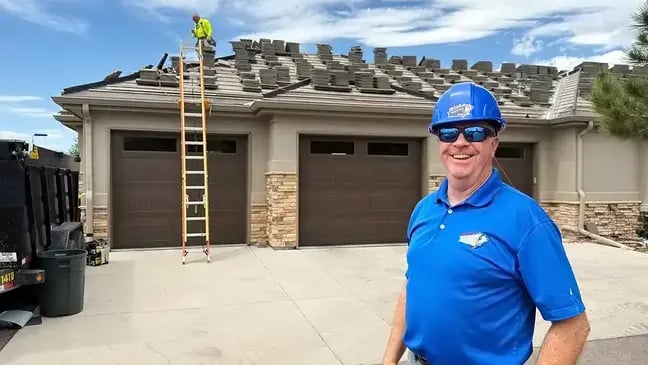
J Bretz founded Excel Roofing in 1993 and the company has since served more than 55,000 customers across Colorado and Wyoming. In the video and the guide below, he walks through every roofing material worth considering, explains why insurers turned against asphalt, and shows how to match the roof to how long a homeowner actually plans to stay in the house.
The short answer: match the roof to the ownership window
Before comparing estimates, a homeowner should answer one question: how much longer will they live in this house? That single answer narrows the field faster than anything else.
- Staying less than 5 years: a low-cost asphalt shingle is the right call.
- Staying 5 to 10 years: a Class 4 impact-resistant asphalt shingle, or stone-coated steel for anyone who wants to stop thinking about hail.
- Staying 10 or more years: stone-coated steel, concrete tile, or synthetic polymer deserve serious consideration.
The rest of this guide explains why those windows fall where they do.
Why the rules changed
Fifteen years ago, a hail-damaged roof in Colorado meant choosing a shingle color and paying a $500 deductible. That is not how it works anymore, and the reasons trace back to two storms.
1990: the storm that ended cedar shake
A devastating Colorado hailstorm in 1990 totaled tens of thousands of roofs, many of them cedar shake. Insurance carriers absorbed enormous losses on those fragile roofs and made a collective decision to discourage cedar shake going forward, frequently incentivizing homeowners to switch to asphalt. For the next two decades, asphalt shingles were the insurance industry preferred product.
2017: the storm that turned insurers against asphalt
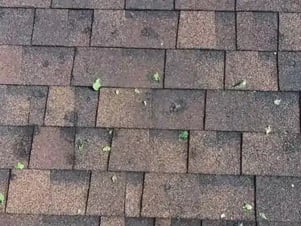
The real turning point came in 2017, when a hailstorm ran from Evergreen to Brighton with an estimated final cost of $2.3 billion. After that storm, carriers began cutting coverage on asphalt roofs aggressively while raising both premiums and deductibles. Asphalt shingle costs had climbed in the same period, and insurers now treat the material as hail-vulnerable.
The gap most homeowners do not see coming
The change that catches people off guard is not the premium. It is what is left of a claim after depreciation and a higher deductible come out of it. On an older roof, those two deductions can leave barely enough to cover a replacement.
Here is what that looks like on a $15,000 asphalt roof, using round numbers for illustration:
- New roof: $15,000
- Less depreciation on an aging roof: $4,000
- Less the deductible: $3,000
- Claim check: $8,000, leaving $7,000 out of pocket
Figures are examples only. Actual roof costs, depreciation schedules, and deductibles vary by home, carrier, and policy. Many Colorado policies now carry a wind and hail deductible set at 1 to 4 percent of the home value rather than a flat dollar amount, which is worth confirming on a current declarations page.
A homeowner in that position is self-insuring a meaningful share of the roof without having chosen to. That is the backdrop for every material decision that follows.

Is asphalt still the right choice?
For shorter ownership windows, often yes.
- A 1 to 5 year homeowner should choose the least expensive asphalt roof available.
- A 5 to 10 year homeowner who wants asphalt should choose a Class 4 impact-resistant shingle, which carries the lowest chance of hail damage in the category.
When an asphalt roof is the right fit, Excel Roofing installs Owens Corning. In the company opinion it performs the best of the asphalt products available and carries the strongest manufacturer warranty in the industry. Excel Roofing is an Owens Corning Platinum Preferred contractor, which is the credential that allows the extended warranty coverage to be offered at all.
Why an upgraded roof pays off
Premium roofing materials cost roughly 2 to 4.5 times what an asphalt roof costs. For a homeowner staying in the house long term, that premium buys back more than durability.
- The lowest insurance premiums available on the market.
- The best coverage terms, including replacement cost coverage rather than actual cash value.
- The ability to carry a high deductible and still come out ahead. A higher deductible lowers the premium, and these roofs are the least likely to ever need a hail claim in the first place.
- A service life of 50 years or more.
The Resale Problem You Didn't Think About
Here is the one that surprises people. A homeowner trying to sell a house with an asphalt roof that is 15 years or older will likely face a buyer demanding a new roof, even when the existing roof is in good shape. The reason is insurance: new coverage on an aging asphalt roof is close to impossible to obtain, and the buyer discovers that during their own shopping.
Upgrading before listing removes that negotiation. The alternative is discovering the problem at the closing table, where the roof comes out of the sale price.
The three-way comparison
For homeowners in it for the long run, three premium materials are worth comparing: stone-coated steel, concrete tile, and synthetic polymer. Each has a real trade-off.
Stone-Coated Steel
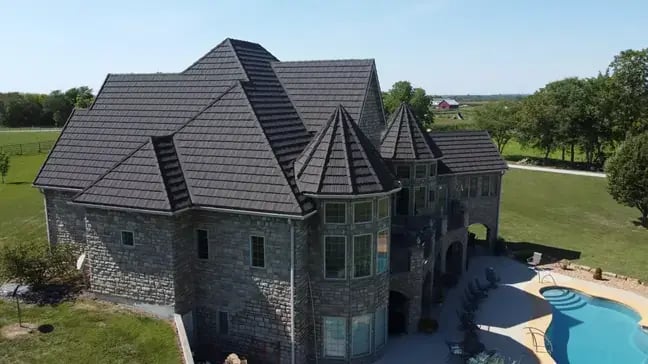
Stone-coated steel panels are 26-gauge steel stamped into a shingle or tile profile, coated with the same ceramic granules used on asphalt shingles, and sealed with a resin.
Pros
- One of the lightest roofing materials available.
- Excellent hail resistance. Large hail can knock granules loose, but they are glued back on rather than requiring a full replacement.
- Installed over a wooden batten system, which creates an air space between the panel and the deck that reduces heat transfer in summer and ice damming in winter.
- Hail resistance strong enough to make a large deductible, $10,000 or more, a reasonable bet. The premium savings will often cover the material upgrade within about ten years. An insurance agent should confirm the numbers before a homeowner commits to that strategy.
Cons
- Costs 2 to 2.5 times what asphalt costs, which usually means financing.
- 26-gauge steel is strong but can dent under careless foot traffic or from baseball-size hail and larger.
- Installation is more complex. This is not a do-it-yourself project, and not one for an inexperienced contractor.
Concrete tile
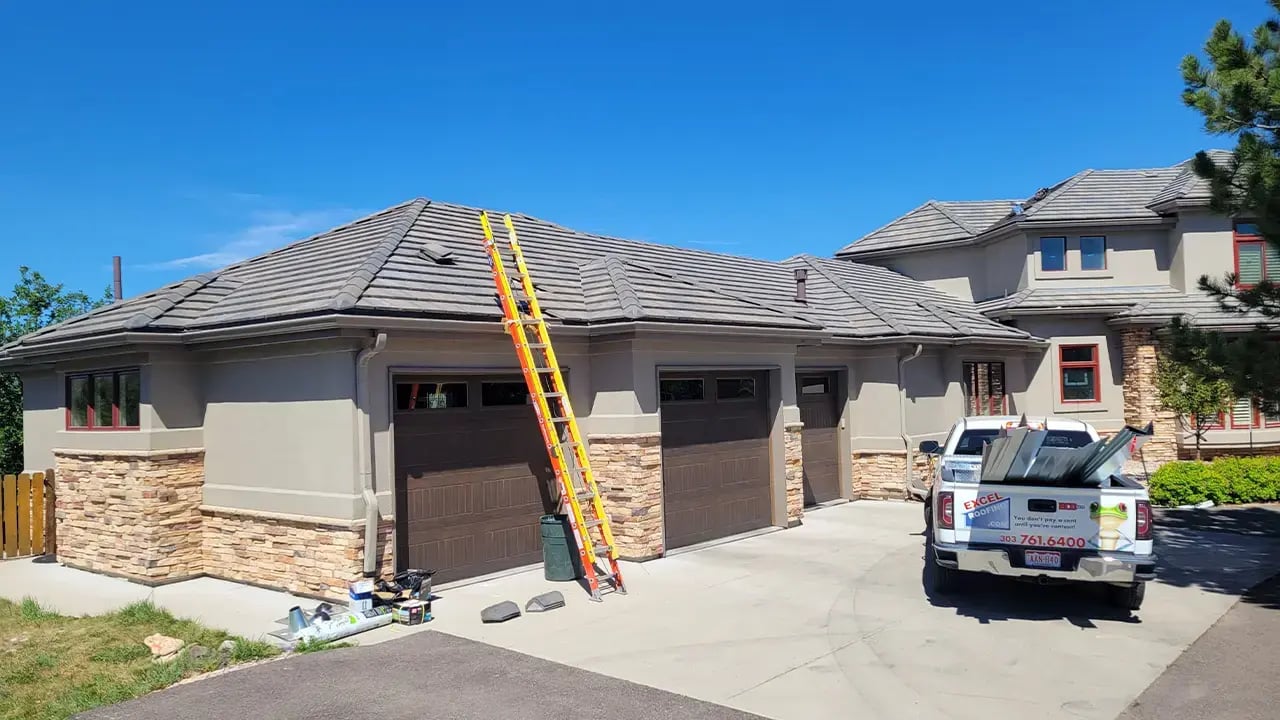
Concrete tile has been in use for centuries and remains popular for good reason.
Pros
- Very hail-resistant.
- Resists foot-traffic damage, although careless walking can break a tile. Sending the lightest painter or window washer available onto the roof is sound advice.
- Easy spot repairs. A broken corner can be glued and a full tile swapped quickly, as long as the replacement matches. A mismatched tile produces a polka-dot roof.
- Installed on a batten system with an air space that acts as a thermal break: cooler summers, less ice damming in winter.
Cons
- Costs 2 to 2.5 times what asphalt costs, similar to stone-coated steel.
- Heavy. On a home that does not already have tile, a structural engineer needs to confirm the roof framing can support it.
- Can be slippery. Snow retention or snow guards are required anywhere snow or ice could slide onto a sidewalk, a driveway, or a person.
- Concrete is porous. Without proper sealing and curing, freeze-thaw cycles deteriorate tiles over time.
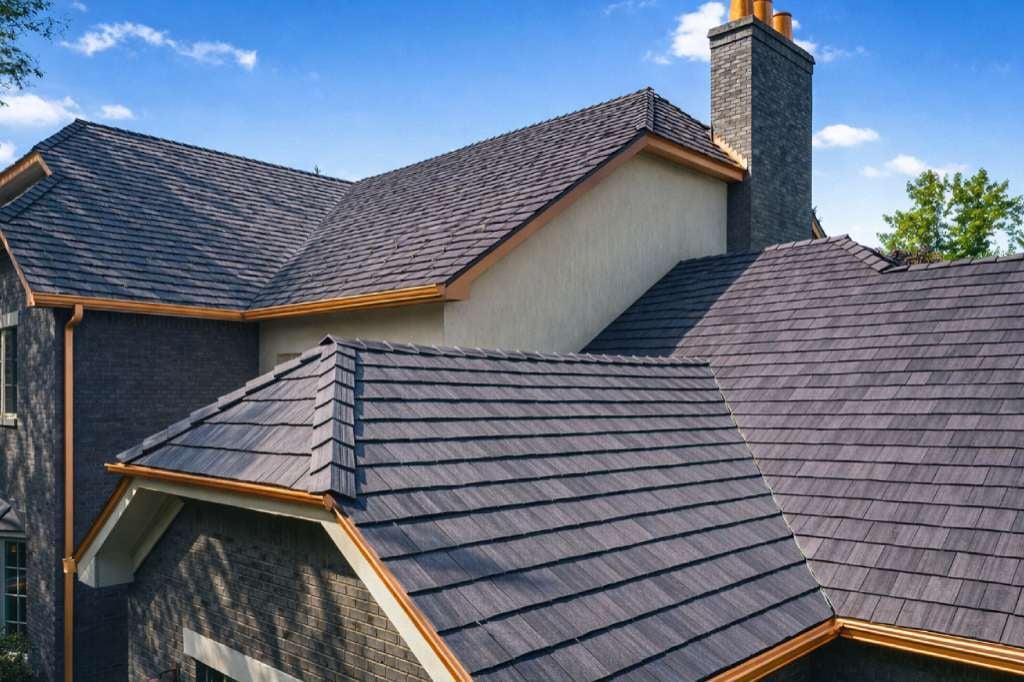
Synthetic Polymer
Synthetic polymer roofing is molded from engineered plastics into profiles that read as cedar shake or slate from the ground.
Pros
- Arguably the best hail resistance on the market, about as close to hail-proof as roofing gets.
- Moldable into cedar shake or slate looks, in a range of colors.
- Moderate weight, so no structural engineer is required.
- Virtually impervious to water penetration and freeze-thaw breakdown.
Cons
- Cost. At 3 to 4.5 times the price of asphalt, it is out of reach for many budgets.
- Slippery surface. Anyone walking on the roof should be tied off with safety equipment, and snow retention is essential anywhere people could be endangered.
- Complex installation that requires an experienced, certified crew. Given the cost, it needs to be right the first time.
Cost Comparison By Material
The table below uses a $15,000 asphalt roof as the baseline. It is an illustration rather than a quote, since the real number depends on the size, pitch, and complexity of the roof.
|
Material |
Cost vs. asphalt |
Example cost |
Expected life |
|
Asphalt shingle |
Baseline, 1x |
$15,000 |
15 to 25 years |
|
Stone-coated steel |
2 to 2.5x |
$30,000 to $38,000 |
50+ years |
|
Concrete tile |
2 to 2.5x |
$30,000 to $38,000 |
50+ years |
|
Synthetic polymer |
3 to 4.5x |
$45,000 to $70,000 |
50+ years |
Which Roof Is Right For You?
This is really based on how long you plan to stay in your home and your budget. Here's our basic rules of thumb when making material recommendations:
- Short stay, tight budget: least expensive asphalt shingle.
- Medium stay, hail concerns: Class 4 impact-resistant asphalt, or stone-coated steel.
- Long stay, weight is a concern: stone-coated steel or synthetic polymer.
- Long stay, want the traditional look and the structure supports it: concrete tile.
- Long stay, maximum hail resistance, budget allows: synthetic polymer.
Frequently Asked Questions
How long will you stay in the home before choosing a roofing material?
The ownership window drives the decision. Under 5 years calls for a low-cost asphalt shingle. Between 5 and 10 years calls for a Class 4 impact-resistant asphalt shingle or stone-coated steel. Beyond 10 years, stone-coated steel, concrete tile, or synthetic polymer all pay back the upgrade.
Why are insurance companies cutting coverage on asphalt roofs in Colorado?
Asphalt shingle costs have climbed and carriers now view the material as hail-vulnerable. After the 2017 hailstorm that ran from Evergreen to Brighton and cost an estimated $2.3 billion, carriers began cutting coverage aggressively while raising premiums and deductibles.
What does self-insuring a roof mean?
It means the homeowner is quietly absorbing a share of the replacement cost. Once depreciation on an older roof and a higher deductible are subtracted from a claim, the check that arrives can fall well short of what a new roof costs, and the difference comes out of the homeowner pocket.
Is a Class 4 shingle worth the extra cost?
For a homeowner staying 5 to 10 years, usually yes. A Class 4 impact-resistant shingle has the lowest chance of hail damage of any asphalt product, and many carriers discount the premium for having one.
Which premium roof has the best hail resistance?
Synthetic polymer is the strongest of the three, close to hail-proof. Stone-coated steel and concrete tile are both excellent, with steel losing granules in large hail that can be glued back on rather than replaced.
Does a concrete tile roof need a structural engineer to confirm if the home can handle the weight?
If the home does not already have a tile roof, yes. Concrete tile is heavy, and an engineer needs to confirm the existing framing can carry the load before installation.
Are snow guards required on tile and synthetic polymer roofs?
Anywhere snow or ice could slide onto a sidewalk, a driveway, or a person, snow retention is a requirement rather than an upgrade. Both materials have slick surfaces that shed snow in sheets.
Can a high deductible save money on a premium roof?
It often does. Because these roofs rarely need a hail claim, carrying a deductible of $10,000 or more lowers the premium enough that the savings can cover the material upgrade within about ten years. An insurance agent should confirm the numbers for the specific policy before making that trade.
What can happen when selling a home with an old asphalt roof?
Buyers will likely demand a new roof even if the existing one looks fine, because new insurance coverage on an asphalt roof 15 years or older is close to impossible to obtain. Upgrading before listing keeps that out of the price negotiation.
Getting it right the first time
Premium roofing materials are less forgiving than asphalt. Batten systems, flashing details, and walking surfaces all demand an experienced, certified crew, and the cost of the material makes a second attempt expensive. Excel Roofing has installed all three of these systems across the Front Range and Wyoming since 1993.
Homeowners with questions can reach J Bretz directly at j@excelroofing.com, call (303) 761-6400, or use the online scheduler to pick a day and time for an inspection.