

Colorado is one of the most demanding environments in North America for roofing systems. High altitude ultraviolet exposure, freeze-thaw cycles, heavy snowloads, hailstorms, and temperature swings of 50 degrees or more in a single day all take a toll on roofing materials that manufacturers calibrated for more temperate climates.
Understanding how long your HOA's roofing system will realistically last, and what shortens or extends that lifespan, is essential information for reserve planning, maintenance budgeting, and capital improvement scheduling.
National Averages vs. Colorado Reality
Roofing manufacturers publish expected lifespans that are useful as a general reference but rarely reflect what communities in Colorado actually experience.
Standard 3-tab asphalt shingles are rated for 15–20 years nationally. In Colorado, most communities see functional lifespans of 12–17 years under normal conditions, and shorter with repeated hail exposure.
Architectural (dimensional) asphalt shingles carry 25–30 year manufacturer ratings. In Colorado, realistic functional life for most communities is 18–25 years, depending on orientation, altitude, maintenance history, and storm exposure.
Impact-resistant (Class 4) asphalt shingles are specifically engineered for hail-prone markets and carry similar 25–30 year ratings, but with significantly better real-world performance in Colorado hail conditions. Their higher upfront cost is frequently offset by insurance premium discounts and longer intervals between replacement.
Metal roofing (standing seam or exposed fastener panels) typically lasts 40–70 years in Colorado conditions when properly installed and maintained. The significantly higher installation cost is often justified by reduced lifecycle expense, particularly on buildings with access challenges or steep pitches.
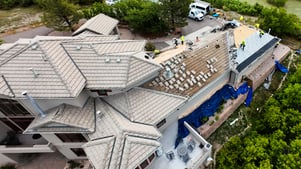
Concrete and clay tile can achieve 40–50 year lifespans in Colorado but require structural systems engineered to handle their weight, and they're more susceptible to freeze-thaw cracking than in warmer climates.
The Five Factors That Shorten HOA Roof Life in Colorado
1. Hail exposure
Colorado sits within one of the most active hail corridors in the United States. Hailstones as small as 1 inch in diameter can cause functional damage to standard asphalt shingles, breaking down granule surfaces, bruising the underlying mat, and initiating micro-fractures that allow moisture infiltration over time. A community that experiences two or three significant hailstorms during a roofing system's life is effectively accelerating that system's decline.
2. High-altitude UV radiation
At elevations of 5,000 feet and above, which includes most of the Denver metro area and significantly higher in mountain communities, ultraviolet radiation is meaningfully more intense than at sea level. UV degrades asphalt binders, accelerates granule loss, and causes premature embrittlement in roofing materials. Communities at higher elevations should plan for shorter-than-average roofing lifespans.
3. Temperature cycling
Colorado's dramatic daily and seasonal temperature swings cause roofing materials to expand and contract repeatedly. Over years, this thermal cycling works fasteners loose, stresses flashing, and causes shingles to crack and curl at a faster rate than in more stable climates.
4. Ice damming
In communities with insufficient attic insulation or ventilation, heat escaping through the roof deck melts snow that then refreezes at the eaves, creating ice dams. Ice dams force water up under shingles and can cause significant damage to decking, insulation, and interior finishes. Improper ventilation is one of the most common causes of premature roofing failure in Colorado HOA communities.
5. Deferred maintenance
Small problems become expensive ones. A failed flashing at a chimney penetration, a clogged gutter system backing water under shingles, or minor granule loss left unaddressed can cause damage far in excess of the original repair cost. Communities with proactive maintenance programs consistently get more life from their roofing systems than those that defer until damage is visible.

The Factors That Extend HOA Roof Life in Colorado
Proper attic ventilation and insulation
Adequate ventilation keeps the roof deck at a more consistent temperature, reducing ice dam formation in winter and heat buildup in summer. A roofing contractor who doesn't inspect and address ventilation during replacement is leaving money on the table for the community.
Impact-resistant shingles
Class 4 impact-resistant shingles are specifically engineered to resist hail damage. On a per-storm basis, they perform dramatically better than standard shingles and extend the interval between major damage events. In Colorado, many HOA communities are choosing Class 4 materials as their standard specification, not as an upgrade.
Proactive maintenance and inspection
Annual or biannual professional inspections allow small problems to be corrected before they become large ones. Flashing repairs, sealant maintenance, gutter cleaning, and minor shingle replacement are far less expensive than the water damage they prevent.
Quality installation
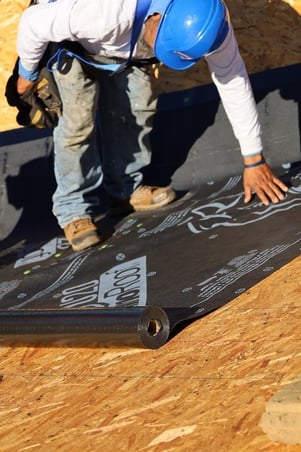
The same materials installed by two different contractors can produce meaningfully different service lives. Proper nail placement, correct underlayment installation, adequate flashing at all penetrations, and manufacturer-compliant installation practices all contribute to a roofing system that performs as designed.
Shade and orientation
South-facing and west-facing roof surfaces age faster in Colorado due to greater UV and thermal exposure. North-facing surfaces typically show less wear. Communities with predominantly south-facing slopes should plan for shorter average lifespans.
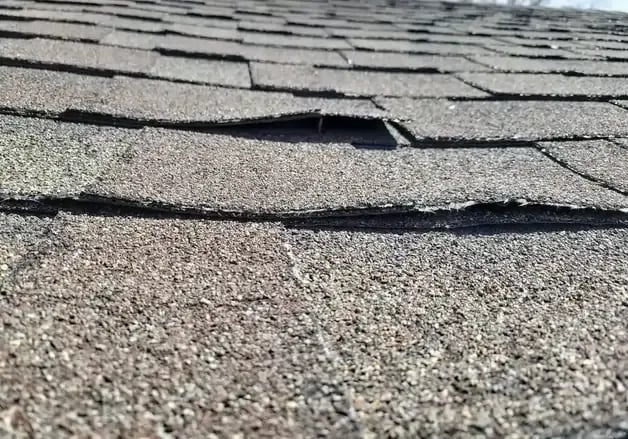
How to Assess the Remaining Life of Your HOA's Roofing System
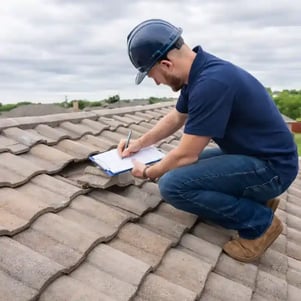
Rather than relying solely on the installation date, a professional roofing inspection evaluates actual condition to estimate remaining useful life. Key indicators include:
Granule loss and bare spots
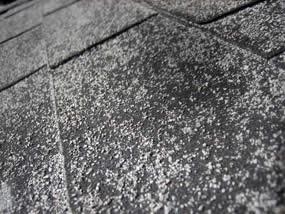
Granules protect the asphalt mat from UV exposure. Significant granule loss, visible in gutters and downspouts as well as on the roof surface, is one of the clearest indicators of advanced age.
Curling and cupping
Shingles that are curling upward at the edges (cupping) or curling downward at the center (clawing) are exhibiting signs of moisture absorption or thermal stress. Both indicate a roofing system approaching the end of its service life.
Cracking and brittleness
Asphalt becomes brittle as it ages and loses its flexibility. Cracked shingles allow water infiltration and signal a system that is no longer performing as intended.
Flashing condition
Flashings at penetrations, valleys, chimneys, and transitions are among the first components to fail. Failed flashing is a common source of water intrusion even when the field of the roof appears serviceable.
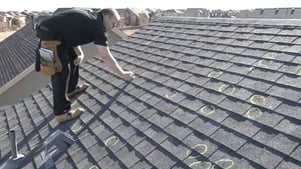
Hail impact patterns
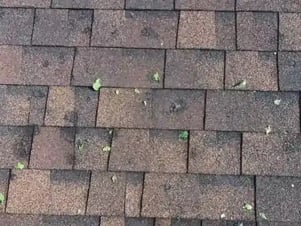
Hail damage is identifiable by specific bruising and granule displacement patterns. A trained inspector can distinguish storm-related functional damage from normal wear.
Decking condition
Soft spots, visible sag, or signs of moisture damage in the decking below the roofing surface indicate water has been infiltrating, a condition that may require more than surface replacement.
What a Roofing Inspection Report Should Tell Your Board
A professional inspection report suitable for board presentation and reserve study purposes should include:
- Overall condition rating and remaining useful life estimate
- Photographic documentation of specific problem areas by building
- Identification of any immediate repair needs
- Recommendation for repair versus replacement with supporting rationale
- Current replacement cost estimate for reserve study use
This information allows boards to make informed capital planning decisions rather than reacting to problems after they've developed into emergencies.
Excel Roofing's HOA Inspection Program
Excel Roofing offers professional roofing inspections for HOA communities throughout Colorado. Our inspection reports include:
- Building-by-building condition assessment
- Photographic documentation organized by building and surface
- Remaining useful life estimates suitable for reserve study incorporation
- Repair vs. replacement recommendations
- Current replacement cost estimates
Whether your community is due for a reserve study update, planning a capital improvement project, or simply wants to understand the current state of its roofing system, we're ready to help.
Request a Free HOA Roofing Inspection →
Excel Roofing has served Colorado HOA communities since 1993. We specialize in multifamily, HOA, and commercial exterior projects throughout the Denver metro area and beyond.