


Photo courtesy of Michelle Belle-Newman - facebook
If you live in Lakewood, you probably heard it on Monday afternoon. On June 1, 2026, a fast moving storm rolled off the I-25 corridor and dropped hail across Lakewood and the surrounding metro right around 1:15 PM. I have been roofing Colorado homes since 1993, and I can tell you that a storm like this one is exactly the kind that leaves damage you cannot always see from the ground.
Here is what we know about the storm, what one inch hail does to a roof, how to keep from getting ripped off, and the exact steps I would take if it were my own home in Lakewood.
What Happened on June 1
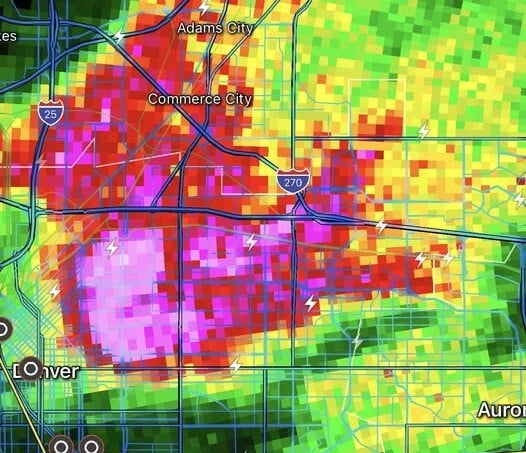
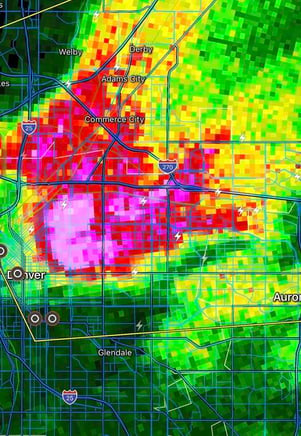
The National Weather Service issued a severe thunderstorm warning for Denver, Adams, and western Arapahoe counties at about 1:15 PM on Monday, June 1. The cell formed just south of Commerce City and tracked east at roughly 25 miles per hour before clearing the metro by evening. One of the first ground reports came in from 16th and Federal in Denver, and the storm spread from there.
Most spotters across the area measured hail around one inch, about the size of a quarter. Some pockets reported stones up to one and three quarter inches, the size of a golf ball, and radar suggested cores capable of two inch hail. In other words, this was not a light spring shower. It was a real hail event.
How Big Was the Hail, and Why One Inch Matters
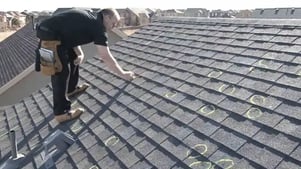
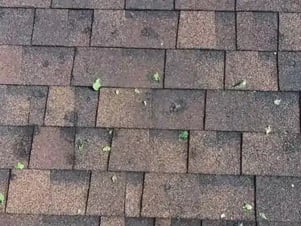
People often assume hail has to be the size of a baseball to cause damage. That is not how it works. One inch hail is widely considered the point where asphalt shingles start to take real damage. At that size, hail can bruise the shingle mat, knock loose the protective granules, and create soft spots that turn into leaks months or even years later.
The tricky part is that most of this damage is invisible from the street. Your roof can look perfectly fine from the driveway and still have dozens of impact points that have quietly shortened its life. That is why I never tell a homeowner to guess. You check, and you check it properly.
Which Lakewood Areas Were Affected
The storm did not stay in one neighborhood. Hail reports came in across Lakewood and the surrounding metro, including Denver, Edgewater, Wheat Ridge, Applewood, Sheridan, and Englewood. Hail mapping estimated that more than 90,000 homes across the metro fell within the one inch swath, with tens of thousands more inside the larger one and a quarter inch core.
If your home sits anywhere in that path, it is worth a look.

What to Do Next
- Check what you safely can from the ground. Look for dented gutters, downspouts, and metal flashing. Check your air conditioner fins, window screens, and any soft metal around the house. Dings on those surfaces are a strong clue that your roof took hits too. Do not climb up there yourself.
- Write down the date. June 1, 2026. Insurance claims are tied to a specific storm date, and having it on record from day one makes the whole process smoother.
- Do not call your insurance company first. This is the mistake I see most often. The moment you call to report possible hail, many insurers open a claim on your record, even if it turns out you do not have enough damage to justify one. A claim that gets closed with no payout can still follow you and push up your future rates. Find out what you actually have before you involve your insurer.
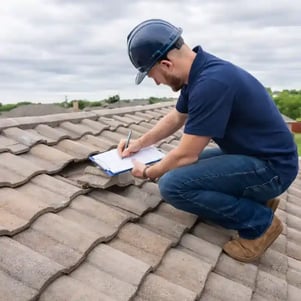
- Get a professional roof inspection before you file anything. A trained inspector can tell the difference between fresh storm damage, normal wear, and old repairs, and can tell you whether you have a claim worth filing in the first place.
- Know your deadline. Most Colorado homeowner policies give you a limited window to file a hail claim, often about one year from the date of loss. The sooner you know what you are dealing with, the more options you have.
Watch Out for Storm Chasers
After every big Colorado hail storm, out of town crews flood the neighborhoods. They knock on doors, push you to sign on the spot, and ask for money up front. Here is my honest advice after more than 30 years in this business:
- Never pay a roofer money in advance. A reputable roofer does not need your cash before the work is done.
- Never sign a contract that has cancellation fees. If a company locks you in with a penalty, treat it as a red flag and walk away.
- Do not let anyone pressure you into a same day signature. A roof is not a now or never decision, no matter what they tell you.
When the storm chasers move on to the next town, they take your money and your warranty with them. Work with a local company that will still be here next year. Call Excel Roofing first.
Frequently Asked Questions
How big was the hail in Lakewood on June 1, 2026?
Most reports were around one inch, about the size of a quarter, with some areas seeing hail up to one and three quarter inches, about golf ball size. Radar indicated storm cores capable of two inch hail.
Can one inch hail damage my roof?
Yes. One inch hail is generally considered the threshold at which asphalt shingles begin to sustain damage, including bruising of the shingle mat, granule loss, and soft spots that can lead to leaks over time.
Should I call my insurance company first after the Lakewood hail storm?
No. It is wise to get an independent roof inspection first. Contacting your insurer can open a claim on your record even if there is not enough damage to justify one, and a closed claim with no payout can still affect your future rates.
How do I avoid roofing scams after a Colorado hail storm?
Never pay a roofer money in advance, never sign a contract with cancellation fees, and do not let a door to door crew pressure you into signing on the spot. Work with an established local contractor that will still be here next year.
What should I do after the Lakewood hail storm?
Check what you can safely see from the ground, write down the storm date of June 1, 2026, get an independent roof inspection before contacting your insurer, and confirm your claim deadline.
How long do I have to file a hail claim in Colorado?
Many Colorado homeowner policies allow about one year from the date of loss to file a hail claim. Confirm the exact deadline in your own policy.
Why Lakewood Homeowners Trust Excel Roofing
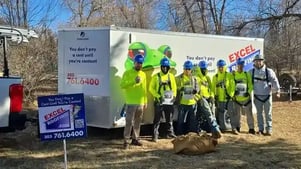
We have been on Colorado roofs since 1993, and we have helped more than 55,000 homeowners get through storms just like this one. We are an Owens Corning Platinum Preferred Contractor, which puts us in the top tier of roofers in the country. Our team works out of our Englewood headquarters at 4510 S Federal Blvd, so we are right around the corner.
Our inspection is free. You don't pay a cent until you're content, and there are no upfront costs and no cancellation fees. If you do not have damage, we will tell you that honestly. If you do, we will walk you through exactly what comes next, including how to handle your insurance the right way.
If the June 1 storm passed over your Lakewood home, call us at (303) 761-6400 to schedule your free inspection before a storm chaser knocks on your door. We're on top of it.



.webp?width=301&height=365&name=The%20Taylors%20home%20after%20an%20intense%20christmas%20windstorm%20(1).webp)