
Is That a Roof Leak, or Is It Condensation?
Every so often we get called out for a roof leak that turns out not to be a roof leak at all. There is a water stain on the ceiling, water trailing down, all the signs of a classic leak, but the roof is perfectly sound. The culprit is condensation, and it can fool homeowners and even experienced contractors. Knowing the difference matters, because the fix for condensation has nothing to do with your shingles.
How Condensation Pretends to Be a Leak
The process is the same one that makes a cold drink sweat on a warm day. Warm, moist air from inside your home rises and finds its way into the attic. When that humid air meets the cold underside of the roof deck and the cold metal nail tips poking through it, the moisture condenses into water droplets. In freezing weather it can even form frost, and in extreme cases the attic can look like it is lightly snowing inside.
Then the temperature rises, the frost melts, and all that water drips back down onto the insulation and the ceiling below. From inside the house, it looks exactly like a roof leak. But no water ever came through the roof.
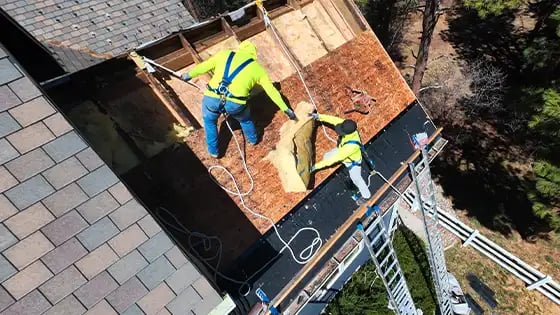
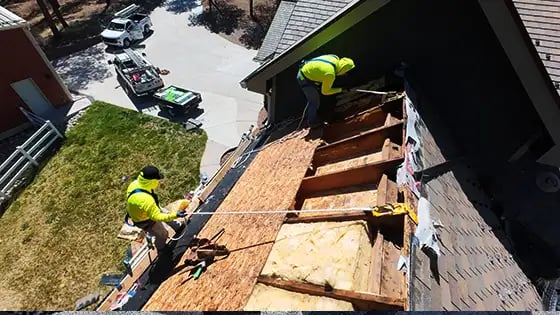
Excel Roofing Repair Technicians removing decking and insulation rotted by condensation
Where the Moisture Comes From
Condensation problems trace back to too much indoor humidity, not enough ventilation, or both. Common sources include:
-
Whole house humidifiers running on high.
-
Swamp coolers, also called evaporative coolers, which are popular across dry Colorado and add a lot of moisture to the air by design.
-
Air conditioning and other equipment that produces or moves moisture.
-
Bathroom and kitchen exhaust fans that vent into the attic instead of all the way to the outside. This is one of the most common hidden causes, and even a fan aimed at a roof vent is not good enough.
-
Everyday living. Showers, cooking, and laundry all release water vapor that has to go somewhere.
That humid air sneaks into the attic through gaps and bypasses around light fixtures, pipes, and ductwork, then condenses on the first cold surface it reaches.

How to Tell Condensation From a Real Leak
Two clues separate the two, and you can often spot them before anyone climbs a ladder.
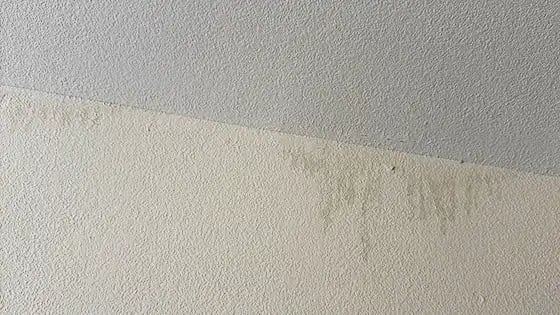
Timing. A true roof leak shows up during or right after rain or snowmelt, and the stain can grow quickly. Condensation follows the temperature, not the weather. If your ceiling drips or the stains worsen after a cold night with no precipitation at all, or the problem flares up in winter, condensation is the likely answer.
Pattern. A real leak usually follows a single path to one low point, often near a roof penetration like a chimney, skylight, or vent pipe. Condensation tends to be widespread and diffuse. In the attic you will see dampness spread across large areas of the decking, a speckled pattern of droplets, rust on many of the nail tips at once, and sometimes mold across the sheathing rather than one neat wet track.
Why Getting This Right Saves You Money
Misdiagnosing condensation as a roof leak is an expensive mistake. You can pay to repair or even replace a roof that was never the problem, only to watch the stains come right back the next cold snap. Worse, condensation left unaddressed does real damage over time. Trapped moisture rots the roof decking, grows mold on the sheathing and insulation, and can eventually loosen fasteners and create an actual leak. A brand new roof can be ruined from the inside out by poor attic ventilation.
The Real Fix: Ventilation and Air Control
Because the problem is moisture and airflow, the solution is too. A proper repair usually involves some combination of:
-
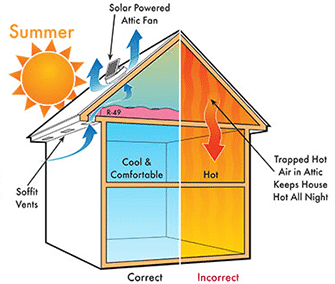
Balanced attic ventilation, with intake low at the soffits and exhaust high at the ridge, so humid air has a path out.
-
Air sealing the gaps and bypasses that let warm, moist house air leak into the attic in the first place.
-
Venting every bathroom, kitchen, and dryer exhaust fan directly to the exterior, never into the attic.
-
Reducing indoor humidity at the source, whether that means adjusting a humidifier or rethinking how a swamp cooler is run.
One common myth worth busting: simply piling on more insulation does not fix condensation. Without air sealing first, extra insulation can actually make the attic colder and the condensation worse.
When to Call a Professional
This is one of the trickiest problems in roofing precisely because it disguises itself so well. We have seen these cases stump several contractors before anyone identifies the real cause. Diagnosing it takes someone who knows to look past the ceiling stain, get into the attic, and read the signs correctly.
At Excel Roofing, we have been solving roof and moisture mysteries across the Denver metro, Colorado Springs, Casper, and Sheridan since 1993. If you have a stain that looks like a leak but the timing seems off, let us take a look before you pay to fix the wrong thing.
We are on top of it. You don't pay a cent until you are content.
Sources
-
Structure Tech Home Inspections, Frost in Attics: Why It's There and How to Fix It: https://structuretech.com/attic-frost/
-
Reimagine Roofing, Is It a Roof Leak or Condensation?: https://www.reimagineroofing.com/blog/is-it-a-roof-leak-or-condensation-how-to tell-the-difference/
-
RoofSmart, Roof Leak vs. Condensation: How Do I Tell the Difference?: https://getroofsmart.com/blog/roof-leak-vs-condensation-how-to-tell-difference
Topics:



.webp?width=301&height=365&name=The%20Taylors%20home%20after%20an%20intense%20christmas%20windstorm%20(1).webp)