

This is one of the most common questions we get at Excel Roofing, and it usually comes after a homeowner has already done everything right. A hail storm came through. The claim went in. The adjuster came out. And then the answer came back as a denial, a partial payment that does not come close to covering a new roof, or the worst option of all, which is silence.
Excel Roofing founder J Bretz sat down with Tom Martino to walk through exactly what a Colorado homeowner should do in that situation. Tom has been the leading consumer advocate in Colorado for forty five years and hosts the longest running radio show of its kind in America. He has spent his career helping people push back when a company tells them no. Here is the process he laid out, along with what our crews see when we get pulled into these claims.
1. Confirm the Damage Is Actually There
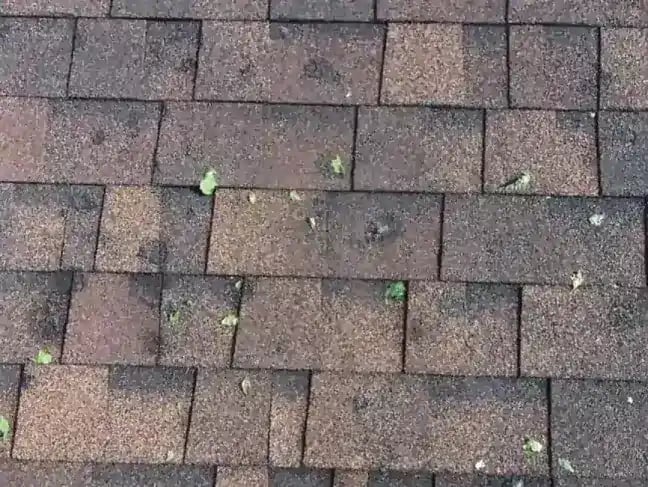
Before a homeowner fights anyone, they need to know whether there is a fight worth having. Tom's first step is to get the damage documented by a roofing contractor who knows what to look for.
The first thing you do is make sure you do have a claim. So I would call Excel Roofing, a great roofer, to document that I have damage. That is the first thing.
We want to be direct about how we handle this, because it matters later in the process. Excel Roofing is not going to tell a homeowner to file an insurance claim unless we are positive there is damage. We have been through many of these appraisals, and we are not going to get into a fight we cannot win. If we cannot find a sufficient amount of hail damage on a roof, we will say so.
That is not us being difficult. It is us protecting the homeowner. A claim filed on a roof without real damage can count against a claims history and returns nothing. But when we do document damage, that documentation becomes the foundation everything else is built on.
2. Get the Denial in Writing
If an insurance company says it is not paying, do not accept that over the phone. Tom is emphatic about this.
Document that they turned you down. So if they say they are not paying, you say, I would like the reason in writing.
A verbal denial is nearly impossible to act on. A written denial forces the carrier to commit to a specific reason, and that reason can be challenged with evidence. Ask for it in writing every time, and put the request itself in writing so there is a record that it was asked.

3. Keep a Timeline, Because Delay Is Also Bad Faith
This is the part most homeowners do not know, and it may be the single most valuable point in the entire conversation. Tom pointed out that an insurance company does not have to refuse a claim outright to be acting in bad faith.
Did you know just a delay in processing a claim can get an insurance company punished for bad faith? Not just refusing, but delaying is considered bad faith.
Colorado law addresses unreasonable delay as well as unreasonable denial of covered benefits. That means the slow walk, the adjuster who never calls back, and the file that keeps getting reassigned can all matter. But they only matter if they can be proven, and they are proven with a timeline.
Homeowners should start a simple log the day the claim is filed and record every one of these:
- The date the claim was filed and the claim number
- The date the insurance adjuster inspected the roof
- The date the contractor inspected and documented damage
- Every phone call, including the date, who was on the line, and what was said
- Every email and letter, sent and received
- The date a written denial was requested and the date it arrived
- Any promised follow up date that came and went with no contact
Tom put it plainly: keep track of the fact that Excel Roofing said the roof needed replacing and the carrier still is not paying. That gap, between a documented professional assessment and a carrier that will not act, is what a timeline captures.
4. Invoke the Appraisal Process
Most homeowners policies contain an appraisal clause, and most homeowners have never heard of it. It is a built in dispute resolution process for exactly this situation, and it does not require a lawyer.
The next thing you do is ask for the appraisal process. What that means is you get your expert. So I would get Excel Roofing and the insurance company would get an expert, and they would both look at the roof and come to some agreement if they can.
Here is how it works in practice. The homeowner names an appraiser, the insurance company names an appraiser, and the two of them inspect the roof and try to reach agreement on the scope and the amount of loss. If they cannot agree, they select a neutral third party, often called an umpire, who resolves the difference.
Excel Roofing has been through this many times. It is a big reason we are careful about recommending a claim in the first place. When we sit down at an appraisal, we want the documentation, the photos, and the storm data to speak for themselves.
5. Bring in a Public Adjuster
If appraisal does not resolve it, Tom's next recommendation is to hire someone whose only job is to represent the homeowner's interests.
I recommend a public adjuster. A public adjuster is someone who works for you, the insured, against your insurance company to get you what you have coming.
The distinction matters. The adjuster the insurance company sends out works for the insurance company. A public adjuster is licensed separately and works for the policyholder, typically for a percentage of the settlement. In Colorado, public adjusters are licensed through the Division of Insurance, and homeowners should verify any public adjuster's license before signing anything.
One caution from inside the industry. A public adjuster is not the same thing as a roofing contractor, and under Colorado law a roofer cannot act as a homeowner's public adjuster or negotiate a claim on their behalf. Any contractor who blurs that line is telling a homeowner something about how they operate.
6. Sue for Bad Faith
This is the last step, and it is the one with real teeth.
If the insurance company still refuses, you can sue for bad faith and get three times the amount of your damage, three times the amount, plus attorney's fees.
Colorado's statute on unreasonable delay or denial of insurance benefits allows a policyholder to recover two times the covered benefit in addition to the covered benefit itself, plus reasonable attorney fees and court costs. That is where the three times figure comes from, and it is the reason carriers take these cases seriously.
Excel Roofing is a roofing contractor, not a law firm, so treat this as background rather than legal advice. Homeowners who reach this stage should talk to a Colorado attorney who handles insurance bad faith cases. What we can say is that the homeowners who arrive here in good shape are the ones who handled steps one through three properly. The documentation and the timeline are what make a bad faith claim provable.
-1.webp?width=879&height=586&name=Business%20shaking%20hands%20in%20front%20of%20modern%20building%20with%20copy%20space%20(selective%20focus)-1.webp)
One More Thing on Timing
Tom made a point early in the conversation that deserves its own section, because it is the mistake that costs Colorado homeowners the most.
They have to pay for your roof if you put the claim in within the first year, whether they like it or not.
Colorado law requires residential property insurance policies to give homeowners a meaningful window to submit a claim after a loss, and many policies set that at one year from the date of the storm. Waiting past a policy's deadline can end the conversation before it starts, no matter how much damage is on the roof.
So if a hail storm came through the neighborhood and the inspection keeps getting put off, that is the thing to move on. Get the roof looked at, find out whether there is damage, and file inside the window if there is. Every homeowner should check their own policy for the exact deadline, because the policy controls.


How to Reach Tom Martino
Tom takes consumer calls around the clock. Anyone dealing with a company that will not do right by them, roofing or otherwise, should give him a call.
Phone: 303-MARTINO, which is 303-627-8466. That number goes through the show when he is on the air, and to voicemail otherwise. His team calls back.
As J Bretz put it on camera, lawyers are expensive and Tom is cheap. Tom did not love the wording, but he will help solve the problem.
Frequently Asked Questions
Can an insurance company deny a roof claim even if a roofer found damage?
Yes, a carrier can deny a claim that a contractor believes is valid, and it happens regularly. That disagreement is exactly what the appraisal clause in a policy exists to resolve. Get the denial in writing with the stated reason, keep the contractor's documentation and photos, and request appraisal so both sides bring an expert to the roof.
Is a delayed insurance claim the same as a denied one?
For purposes of Colorado's unreasonable delay or denial statute, delay can be treated as seriously as an outright denial. An insurance company that sits on a claim without a reasonable basis may be exposed to the same penalties as one that refuses to pay. A dated log of every contact is what makes that provable.
What is the appraisal process on a roof insurance claim?
Appraisal is a dispute resolution provision found in most homeowners policies. The homeowner selects an appraiser, the insurance company selects an appraiser, and both inspect the roof and attempt to agree on the scope and value of the loss. If they cannot agree, a neutral umpire decides the difference. It does not require filing a lawsuit.
What does a public adjuster do and is one necessary?
A public adjuster is licensed to represent the policyholder in negotiating a claim against the insurance company, usually for a percentage of the settlement. One may be worth hiring if appraisal has not resolved the dispute or the claim is complex. In Colorado, verify the license through the Division of Insurance, and note that a roofing contractor cannot legally serve as a public adjuster.
How much can a homeowner recover if an insurer acts in bad faith in Colorado?
Colorado's statute on unreasonable delay or denial of benefits allows recovery of two times the covered benefit in addition to the benefit itself, plus reasonable attorney fees and costs. That is commonly described as three times the amount of the claim. Homeowners should consult a Colorado attorney who handles bad faith insurance cases about their specific situation.
How long is there to file a hail damage claim in Colorado?
Colorado law requires residential property policies to allow homeowners a meaningful period to submit a claim after a loss, and one year from the date of the storm is a common deadline. The policy controls, so read it or call the agent. The practical advice is to get the roof inspected soon after a storm rather than waiting.
Should a homeowner file a claim without being sure there is hail damage?
No. A claim on a roof without genuine damage returns nothing and can affect a claims history. Have a qualified contractor inspect first. Excel Roofing will say honestly when the damage is not there, because we are not going to put a homeowner into an appraisal fight we cannot win.
What should be documented when an insurance company will not pay for a roof?
Keep the claim number and filing date, the dates of both the insurance adjuster's inspection and the contractor's inspection, the written request for the reason for denial, the written denial itself, and a log of every call and email including who was on the line and what was said. Note any promised follow up that never came.
If a Roof Claim Is Stuck, Call Excel Roofing
Homeowners who need help with a claim can call Excel Roofing or use our easy online scheduler, and we will come out and help with the project. We inspect the roof, say honestly whether there is a claim, document what we find, and stand behind that documentation through the appraisal process if it comes to that.
Excel Roofing has served Colorado and Wyoming homeowners since 1993, and we are an Owens Corning Platinum Preferred Contractor. You Don't Pay A Cent Until You're Content.
We're On Top Of It.
This article is general information for Colorado and Wyoming homeowners and is not legal advice. For guidance on a specific claim or policy, consult a licensed attorney or the Colorado Division of Insurance.


.webp?width=301&height=406&name=TDD_EstateGray_beauty_shot%20(1).webp)