


Does Homeowners Insurance Cover Hail Damage?
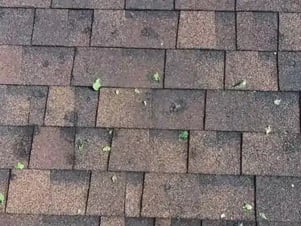
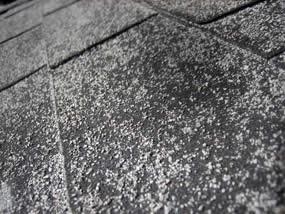
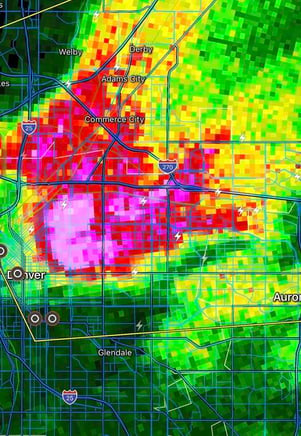
For most Colorado and Wyoming homeowners, the answer is yes. Hail and wind are almost always covered perils in a standard homeowners policy, often described casually as acts of God. If you have solid coverage, a low deductible, and no roof related exclusions, a hailstorm can mean a new roof for the cost of your deductible. The catch is that two policies that both cover hail can pay out very differently. This article is general information, not insurance advice, so always confirm the details with your own carrier and read your declarations page.
ACV vs RCV: The Single Biggest Factor
The most important thing to know about your policy is whether your roof is covered at replacement cost value (RCV) or actual cash value (ACV).
RCV pays what it costs to replace your roof with a new one of similar quality, regardless of age, minus your deductible. In practice, the insurer often pays the depreciated amount first, then reimburses the rest once the work is done and you submit proof.
ACV pays the depreciated value of the roof at the time of the loss. The insurer factors in the age and wear of your roof and pays less accordingly. Say you have a ten year old roof with a twenty year expected life. An ACV policy may treat it as roughly half used up, so on a $20,000 replacement you might receive around $10,000 minus your deductible, leaving the rest on you.
Here is the part that catches people off guard: many insurers are shifting older roofs from RCV to ACV, or applying age based depreciation schedules, especially in hail heavy regions like the Front Range. A change like this often shows up quietly on a renewal, so it is worth checking your declarations page for the letters ACV near your roof coverage.

The "Replace It or We Drop You" Trend
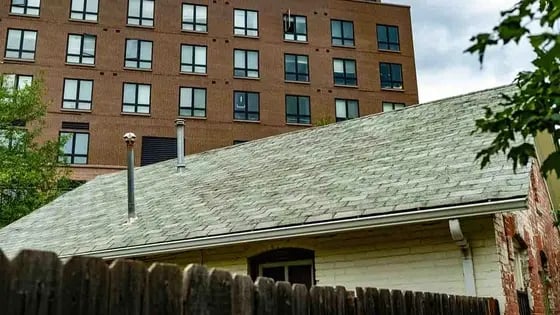
We are also seeing insurers get far stricter about roof age and condition. It is increasingly common for a carrier to inspect a roof, decide it is too old or too worn, and give the homeowner a window, often thirty to sixty days, to replace it or risk non renewal. This used to target cedar shake, T-lock, and three tab roofs, but we have even seen it on architectural roofs in decent shape. The carrier would rather you replace it on your own dime than insure the risk.
If you are facing this, you have options, including financing a replacement, which we help customers arrange.
The Deductible Shock
Even when hail damage is covered, your deductible has likely changed. Across Colorado, flat $1,000 deductibles for wind and hail have largely given way to percentage deductibles, commonly one to two percent and sometimes higher.
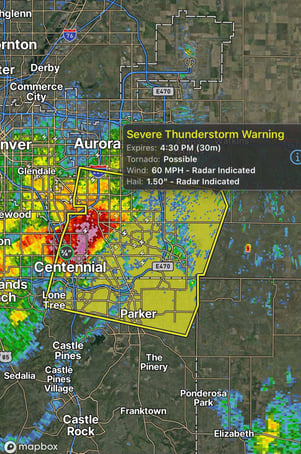
The key detail most people miss: that percentage is based on your dwelling coverage, the amount it would cost to rebuild your home, not the roof and not your home's market price. On a home insured for $500,000, a one percent wind and hail deductible is $5,000, and a two percent deductible is $10,000. These higher deductibles are most common across metro Denver, the foothills, and the I-25 corridor, right in the heart of hail country.
One practical consequence: on an expensive home with a high percentage deductible and a relatively small or simple roof, it can sometimes be cheaper to pay for the roof out of pocket than to file a claim and pay the deductible. It is worth doing that math before you file.
Do Not Miss the Filing Deadline
Most policies include a duties after loss clause with a deadline to file, frequently within one year of the storm, though some carriers allow up to two. Wait too long and a valid claim can be denied automatically. If you suspect storm damage, get it inspected and documented well before that window closes.
Help With a Big Deductible
A one or two percent deductible can run into the thousands, and not everyone has that sitting in the bank. There are a few legitimate ways to manage it:
- Financing. You can finance a roof replacement, including your deductible portion, and pay it back over time. We help customers line up financing options.
- Deductible buy-down or reimbursement coverage. Some homeowners add a separate, standalone policy designed to offset a high wind and hail deductible. These are sometimes loosely called gap insurance, but that term really belongs to auto loans. The accurate name is a wind and hail deductible buy-down policy or deductible reimbursement coverage, and some versions even pay out based on National Weather Service storm data rather than an adjuster visit.
One important legal note for Colorado: under state law, it is illegal for a roofing contractor to waive, absorb, or pay your insurance deductible for you. A legitimate loan that you repay is fine. A roofer offering to eat your deductible is not, and it is a red flag.
Let Excel Roofing Help
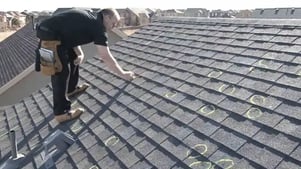
Insurance can be the most confusing part of dealing with a damaged roof. We inspect and document the damage properly, help you understand whether you are looking at ACV or RCV and what your deductible really is, and connect you with financing if you need it.
At Excel Roofing, we have been guiding homeowners through storm claims across the Denver metro, Colorado Springs, Casper, and Sheridan since 1993. We are on top of it, and you do not pay a cent until you are content.
Sources
-
United Policyholders, Roof Insurance: ACV Versus Replacement Cost: https://uphelp.org/roof-insurance-acv-versus-replacement-cost/
-
Premier Mountain Insurance, Wind & Hail Insurance in Colorado: https://www.premiermountaininsurance.com/wind-and-hail-insurance-colorado/
-
Inszone Insurance, Colorado Property Insurance Update: https://inszoneinsurance.com/blog/property-insurance-colorado











.webp?width=301&height=425&name=navigating-the-insurance-claims-process-for-hail-damaged-roofs%20(1).webp)