

Quick Answer: What Causes Premature Roof Failure in Colorado?
Premature roof failure in Colorado is usually caused by three things working together: high-altitude weather stress (intense UV, rapid temperature swings, and repeated hail), hidden installation and ventilation defects, and avoidable maintenance mistakes. Weather gets most of the blame, but attic ventilation and everyday homeowner habits often decide whether a roof reaches its expected lifespan or wears out years early.
Key Takeaways
- Colorado homes receive roughly 16 to 19 percent more UV than sea-level homes along the Front Range, and 30 percent or more in the mountains, which speeds up shingle aging.
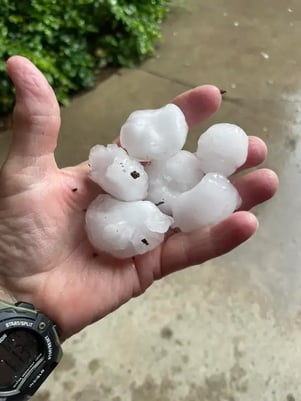
- Hail damage is cumulative. Several small storms can shorten roof lifespan as much as one large storm.
- Unbalanced attic ventilation is one of the most overlooked causes of early roof failure and can affect warranty coverage.
- Pressure washing, stapled holiday lights, unflashed satellite mounts, and DIY tar patches are common homeowner habits that shorten roof life.
- New state rules, including the Colorado Wildfire Resiliency Code and SB26-155 hail-resistant roof grants, now affect roofing decisions for many Colorado homeowners.
What Counts as Premature Roof Failure?
A roof fails prematurely when it stops protecting the home before the end of its expected service life. For a standard asphalt shingle roof, that usually looks like widespread granule loss, cracking, curling, or active leaks well before the roof is 15 to 20 years old.
Manufacturer lifespan ratings assume a correctly installed roof over a properly ventilated attic. When either condition is missing, the rating stops meaning much. That is why two identical roofs on the same street can age very differently.

Why Colorado Weather Ages Roofs Faster
Most roofing content focuses on dramatic storm damage. The slower, everyday stresses of Colorado's climate deserve equal attention because they weaken a roof before the next storm ever arrives.
1. UV Exposure at High Altitude
According to the World Health Organization, UV levels increase about 10 to 12 percent for every 1,000 meters of elevation. Applied to Colorado homes, that works out to approximately:
|
Location |
Approximate Elevation |
Estimated UV Increase vs. Sea Level |
|
Denver |
5,280 ft (1,609 m) |
16 to 19 percent |
|
Colorado Springs |
6,035 ft (1,839 m) |
18 to 22 percent |
|
Breckenridge |
9,600 ft (2,926 m) |
29 to 35 percent |
UV breaks down the oils in asphalt. As the asphalt oxidizes, shingles lose flexibility, release their granules faster, and crack under stress. Snow adds to the problem: the WHO notes fresh snow can reflect up to 80 percent of UV radiation, so winter sun keeps working on a roof even on cold days.
What to watch for: South-facing and west-facing slopes take the most sun. When one slope looks noticeably more faded, bald, or brittle than the others, UV is the likely cause.
2. Rapid Temperature Swings
Front Range days that swing 30 degrees or more between afternoon and overnight are common, especially in spring and fall. Every swing makes shingles, sealant strips, flashing, and fasteners expand and contract. Over time this thermal cycling can cause:
- Shingle seal strips that release, leaving tabs vulnerable to wind
- Caulk and sealant joints at flashing that pull apart
- Nails that back out and push up through the shingle above (often called nail pops)
- Hairline cracks in shingles that are already dried out by UV
3. Repeated Hail, Not Just Big Storms
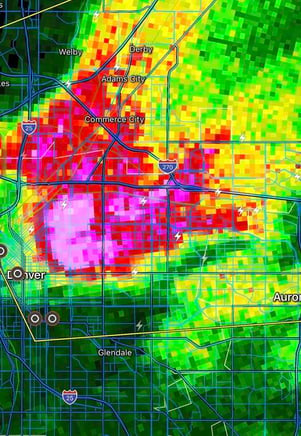
Hail is the leading cost driver of Colorado homeowners insurance. The Colorado Division of Insurance found that hail accounts for an average of 26 to 54 percent of an annual homeowners insurance premium.
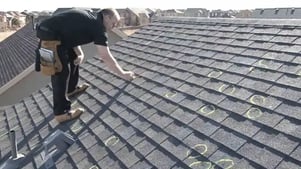
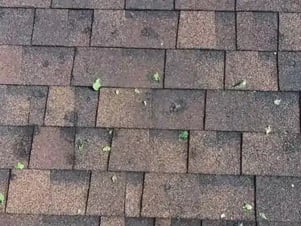
What many homeowners miss is that hail damage adds up. A roof that takes several small-hail hits over a few seasons can lose granules and develop bruised spots that never triggered a claim, then fail years ahead of schedule. Documenting roof condition every spring makes it easier to separate new damage from old damage when a larger storm does hit.
4. Wildfire Embers and Colorado's New Code
The Colorado Wildfire Resiliency Code (CWRC) was adopted in 2025, and local jurisdictions began enforcing it for applicable permits on July 1, 2026. In designated Wildland-Urban Interface (WUI) areas, replacing 25 percent or more of an existing roof covering can trigger CWRC requirements. Depending on the fire intensity zone and local rules, those can include:
- A Class A fire-rated roof assembly
- Corrosion-resistant metal valley flashing (26 gauge minimum) over a 36-inch-wide cap sheet underlayment
- Ember-resistant attic vents or vent openings covered with 1/8-inch noncombustible mesh
- Noncombustible gutters and downspouts
Maintenance matters here too. Dry pine needles and leaves packed into valleys and gutters are exactly where wind-blown embers land and ignite.
Hidden Installation and Ventilation Problems That Shorten Roof Lifespan
Some of the most damaging roof problems cannot be seen from the driveway. They start in the attic or under the shingles, and they often trace back to how the roof was built.
Unbalanced Attic Ventilation
A roof system needs cool air entering low (intake vents at the soffits or eaves) and warm, moist air leaving high (exhaust vents near the ridge). The International Residential Code (Section R806.2) sets a minimum net free ventilation area of 1 square foot for every 150 square feet of attic floor. That can drop to 1 per 300 when the vents are balanced between high and low positions and other code conditions are met.
Example: A 1,500-square-foot attic needs about 10 square feet of net free ventilation under the 1:150 rule, or about 5 square feet under the 1:300 rule, split roughly evenly between intake and exhaust.
When ventilation falls short, attic heat bakes shingles from below in summer and trapped moisture condenses in winter. The results include blistered shingles, warped or rotted decking, mold, higher energy bills, and ice dams. Many shingle manufacturers also exclude damage caused by inadequate ventilation from warranty coverage.
Common causes of poor ventilation include:
- Soffit vents buried under blown-in insulation or painted shut
- Mixing exhaust types, such as a ridge vent combined with box vents or a power fan, which can short-circuit airflow
- Bathroom, kitchen, or dryer vents that exhaust into the attic instead of outdoors
- Too little intake to match the exhaust
Missing or Short Ice Barrier
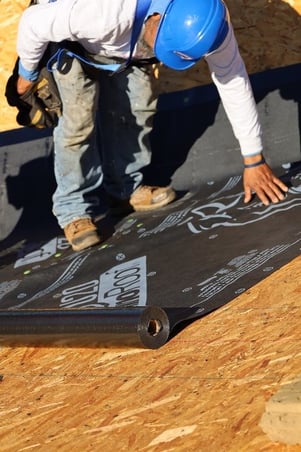
The International Residential Code (Section R905.1.2) calls for an ice barrier in areas with a history of ice forming along the eaves. It must extend from the roof edge to at least 24 inches inside the exterior wall line. Many Front Range jurisdictions enforce this requirement along with drip edge. A missing or undersized ice barrier lets winter meltwater back up under the shingles and into the decking.
Nailing Errors
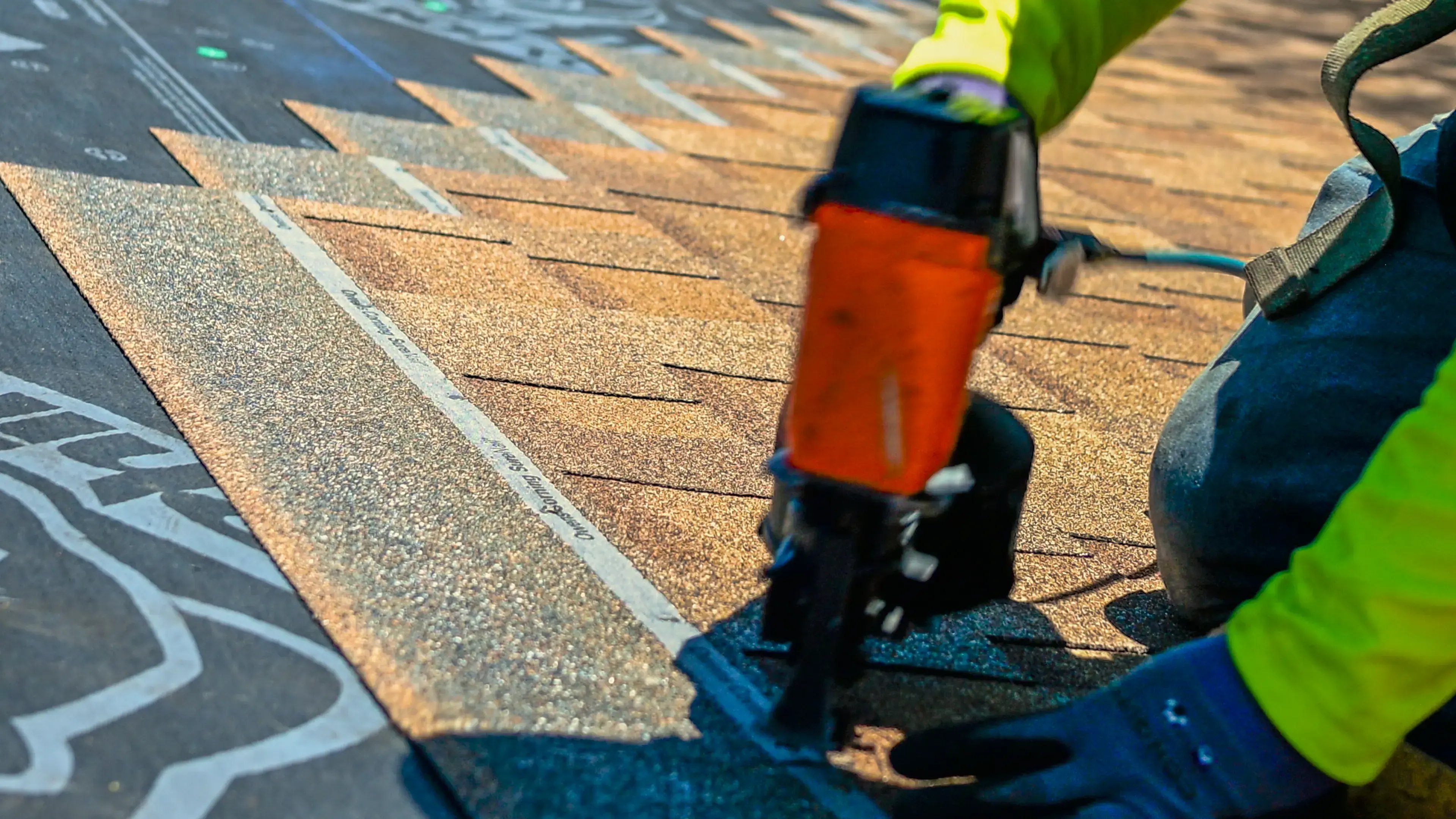
Shingles depend on correct nail placement to resist wind. Nails driven above the manufacturer's nailing zone (high nailing), nails driven too deep or left raised, and too few nails per shingle all reduce wind resistance. These errors are invisible from the ground and often do not show up until the first strong wind event lifts shingles that should have held.
Roof-Overs and Reused Flashing
Installing new shingles over an old layer (a roof-over or recover) hides the condition of the decking, traps additional heat, and adds weight. The International Residential Code (Section R908.3.1.1) prohibits a recover when the roof already has two or more layers, or when the existing roof is water-soaked or deteriorated. Reusing old, fatigued flashing during a new install is a similar shortcut that often leads to leaks at chimneys, walls, and skylights within a few years.
Mismatched System Components
Major shingle manufacturers offer enhanced system warranties only when qualifying underlayment, starter, ridge cap, and ventilation products are installed together by a credentialed contractor. Mixing brands or skipping components does not always cause failure, but it can reduce warranty protection when a problem appears.
Homeowner Maintenance Mistakes That Cause Early Roof Failure
Well-meaning homeowners unintentionally shorten roof life every year. The table below lists the most common roof maintenance mistakes and a better approach for each.
|
Maintenance Mistake |
Why It Shortens Roof Life |
Better Approach |
|
Pressure washing shingles |
Strips protective granules and forces water under shingle laps |
Leave shingles alone or use a low-pressure, manufacturer-approved cleaner |
|
Stapling or nailing holiday lights |
Every staple or nail is a new hole in the roof |
Use clip-on light hangers that attach without penetrations |
|
Letting installers mount dishes, antennas, or solar without proper flashing |
Unsealed penetrations are a leading source of slow leaks |
Require flashed mounts and have a roofer review the plan |
|
Walking on the roof in extreme heat or cold |
Hot shingles scuff and lose granules; cold shingles crack |
Limit roof access and leave inspections to trained professionals |
|
Skipping gutter and valley cleaning |
Standing water and debris back up under shingles and fuel embers |
Clean gutters and valleys every spring and fall |
|
Ignoring overhanging branches |
Branches scrape granules, drop debris, and break in storms |
Trim branches at least 6 to 10 feet back from the roof |
|
DIY tar or caulk patches |
Traps water, hides the true leak source, and can affect warranty coverage |
Have leaks traced and repaired with proper materials |
|
Chipping ice dams or using metal snow rakes |
Gouges and tears shingles |
Use a plastic roof rake from the ground and address the attic cause |
|
Covering soffit vents during attic insulation upgrades |
Cuts off intake airflow and traps heat and moisture |
Install baffles to keep a clear air channel at the eaves |
|
Waiting for a leak before calling a roofer |
Damage spreads through decking and insulation for months first |
Schedule an annual inspection and one after major storms |
Where to Look: A Home Warning Sign Checklist
Early roof failure leaves clues all over the house, not just on the roof. This checklist organizes warning signs by where a homeowner can safely look.
|
Where to Look |
Warning Sign |
What It Usually Means |
|
Driveway and yard |
Granules or shingle pieces after rain or wind |
Shingles are shedding protection or losing tabs |
|
From the street |
A wavy or sagging roofline |
Possible decking damage or trapped moisture |
|
Gutters and downspouts |
Heavy granules on a roof under 10 years old |
Hail bruising, UV breakdown, or a product issue (new roofs shed some loose granules at first, which is normal) |
|
Attic in winter |
Frost on nail tips or the underside of the decking |
Warm, moist air is trapped by poor ventilation |
|
Attic any season |
Daylight through boards, damp insulation, dark stains, musty smell |
Active or past leaks and moisture damage |
|
Upstairs ceilings |
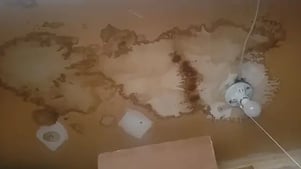
Brown rings or bubbling paint near exterior walls |
Leaks at flashing, penetrations, or eaves |
|
Fascia and siding |
Peeling paint, rot, or streaks below the eaves |
Water running behind gutters or a missing drip edge |
|
Utility bills |
Rising summer cooling costs |
Attic heat buildup from inadequate ventilation |
Colorado Roof Maintenance Calendar
A simple seasonal routine prevents most avoidable roof damage. This calendar is built around Colorado's hail season, freeze cycles, and wildfire season.
|
Season |
Roof Maintenance Tasks |
|
Spring (March to May) |
Clean gutters after snowmelt. Take dated photos of the roof and gutters before hail season to create a condition baseline. Schedule an annual professional inspection. |
|
Summer (June to August) |
Check gutters, downspouts, and yard for granules and debris after every hailstorm. Note upstairs heat or rising cooling bills. Trim overhanging branches. |
|
Fall (September to November) |
Clean gutters and valleys after leaves drop. Clear pine needles in wildfire-prone areas. Test heat cable before the first freeze. Check sealant around vents and chimneys. |
|
Winter (December to February) |
Check the attic for frost on nail tips. Watch for large icicles and ice ridges at the eaves. Remove heavy snow from the ground with a plastic roof rake only. |
How Roofing Material Choice Affects Lifespan in Colorado
The single biggest decision that affects roof lifespan is the material. Excel Roofing presents replacement options in a Good, Better, Best format so homeowners can compare durability side by side:
- Good: Class 3 impact-rated asphalt shingles
- Better: Class 4 impact-resistant asphalt shingles or stone-coated steel
- Best: Stone-coated steel, synthetic polymer, or standing seam metal
|
Material |
Excel Roofing Hail Durability Score |
Colorado Considerations |
|
Class 4 asphalt shingles |
7 out of 10 |
Strong value; may qualify for insurance premium discounts depending on the carrier |
|
Concrete tile |
8 out of 10 |
Heavy; the roof structure must be evaluated before installation |
|
Stone-coated steel |
9 out of 10 |
Excellent hail and wind performance with a Class A fire rating on many systems |
Two recent state changes make material choice even more important:
- SB26-155 hail-resistant roof grants: Signed June 4, 2026, this law created the Strengthen Colorado Homes Enterprise to fund grants for resilient roof systems. Program rules are still being finalized, so homeowners should confirm eligibility before counting on grant funding.
- Colorado Wildfire Resiliency Code: In WUI areas, a qualifying replacement may require a Class A roof assembly and ember-resistant details.
How Excel Roofing Helps Colorado Homeowners Prevent Premature Roof Failure
Excel Roofing has protected Colorado and Wyoming homes since J Bretz founded the company in 1993. As an Owens Corning Platinum Preferred Contractor, Excel Roofing installs complete roof systems, including underlayment, ice barrier, and balanced ventilation, rather than shingles alone.
Every inspection looks beyond the shingles to the attic, ventilation, flashing, and gutters, because that is where most premature roof failure begins. Excel Roofing serves homeowners from offices in Englewood and Colorado Springs, Colorado, and Sheridan and Casper, Wyoming. Flexible financing options include 12 months at 0 percent deferred interest, and 60 or 120 months at 7.99 percent APR.
Excel Roofing stands behind its work with a simple promise: You Don't Pay A Cent Until You're Content.
Frequently Asked Questions
What is the most common cause of premature roof failure in Colorado?
The most common cause of premature roof failure in Colorado is repeated hail impact combined with high-altitude UV exposure. Hail bruises and cracks shingles, and intense UV at elevation dries out the asphalt so those bruises turn into cracks and leaks faster. Poor attic ventilation is the most common non-weather cause and often goes unnoticed until the roof is already failing.
Does Colorado's altitude really affect how long a roof lasts?
Yes. According to the World Health Organization, UV levels rise about 10 to 12 percent for every 1,000 meters of elevation. That puts Denver at roughly 16 to 19 percent more UV than a sea-level city, and mountain towns above 9,000 feet at roughly 30 percent more or higher. UV breaks down the asphalt in shingles, which speeds up granule loss, brittleness, and cracking.
Can poor attic ventilation void a shingle warranty?
It can. Many shingle manufacturers exclude damage caused by inadequate attic ventilation from their warranty coverage. Unbalanced or blocked ventilation traps heat and moisture, which can blister shingles, rot roof decking, and contribute to ice dams. Homeowners should ask their roofing contractor to verify intake and exhaust ventilation during any inspection or replacement.
How can a homeowner tell if a roof is failing early?
Early warning signs include heavy granule buildup in gutters on a roof less than 10 years old, shingles that curl or crack before 15 years, frost on nail tips in the attic during winter, stained or damp roof decking, and brown rings on upstairs ceilings. One slope aging much faster than the others, usually the south or west slope, is also a sign of UV and heat stress.
Is it bad to pressure wash a roof in Colorado?
Yes. Pressure washing strips the protective granules from asphalt shingles and can force water under the shingle laps. Once granules are gone, Colorado's high-altitude UV reaches the asphalt directly and accelerates aging. If a roof needs cleaning, a low-pressure method approved by the shingle manufacturer is the safer option.
Does the Colorado Wildfire Resiliency Code apply to roof replacements?
It can. The Colorado Wildfire Resiliency Code applies in designated Wildland-Urban Interface areas, and enforcement for applicable permits began July 1, 2026. Replacing 25 percent or more of an existing roof covering in a covered area can trigger requirements such as a Class A fire-rated roof assembly, metal valley flashing, and ember-resistant vents. Requirements vary by jurisdiction, so homeowners should confirm with their local building department or roofing contractor.
Can Colorado homeowners get help paying for a hail-resistant roof?
Yes, a new state program is being set up for this. Colorado Senate Bill 26-155, signed June 4, 2026, created the Strengthen Colorado Homes Enterprise within the Colorado Division of Insurance to fund grants for resilient roof systems. The board prioritizes primary residences and considers factors such as income, roof age, and local hail history. Program details are still being finalized, so homeowners should confirm eligibility before making a roofing decision based on grant funding.
How often should a Colorado roof be inspected?
A Colorado roof should be professionally inspected at least once a year and after any significant hail or wind event. Spring inspections are especially valuable because they document the roof's condition before hail season, which creates a clear baseline if an insurance claim is needed later.
Protect Your Roof Before Small Problems Become Big Ones
Most premature roof failure in Colorado is preventable. Balanced ventilation, a correct installation, smart maintenance habits, and the right material give a roof the best chance of reaching its full lifespan in a tough climate.
Homeowners who notice any of the warning signs above can schedule a roof and attic inspection with Excel Roofing.
We're On Top Of It.
.webp?width=301&height=365&name=The%20Taylors%20home%20after%20an%20intense%20christmas%20windstorm%20(1).webp)